
Manual transmission swaps offer drivers greater control and a potentially engaging experience, though costs vary widely—ranging from $1,000 to $10,000 depending on parts and labor.
What is a Manual Transmission Swap?
A manual transmission swap fundamentally alters a vehicle’s drivetrain, replacing the existing automatic transmission with a driver-controlled manual gearbox. This isn’t simply exchanging one component; it’s a comprehensive system overhaul. The process necessitates installing a clutch, flywheel, and the manual transmission itself. Beyond these core parts, modifications to the drivetrain and electrical systems are typically required for proper functionality.
Essentially, you’re converting a vehicle originally designed for automatic operation to a fully manual setup. This often involves changes to the pedal assembly, shift linkage, and potentially even the vehicle’s ECU (Engine Control Unit) for accurate communication and operation. The complexity, and therefore the cost, hinges on the vehicle’s make and model.
Why Choose a Manual Swap?
Opting for a manual transmission swap often stems from a desire for enhanced driver engagement and control. Many enthusiasts prefer the direct connection and involvement a manual gearbox provides, fostering a more spirited driving experience. Beyond the enjoyment factor, manual transmissions can sometimes offer improved fuel efficiency and potentially lower long-term maintenance costs compared to automatics.
Furthermore, a manual swap can be a cost-effective alternative to purchasing a vehicle already equipped with a manual transmission, especially for desirable models where manual versions are rare or command a premium. It allows owners to personalize their vehicles and tailor the driving experience to their preferences, breathing new life into a beloved car.
Cost Breakdown: Parts
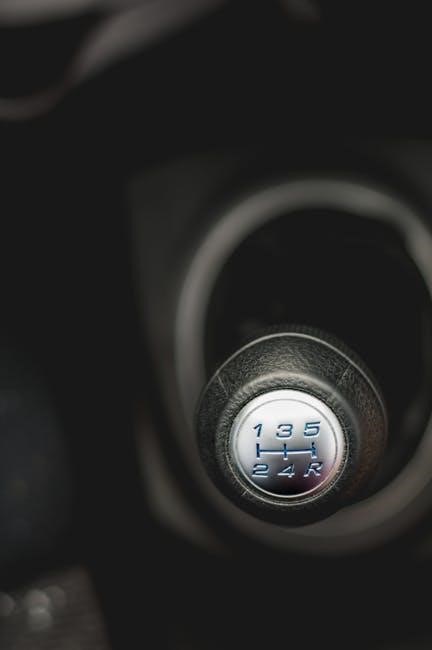
Essential parts for a manual swap include the transmission itself, a clutch kit, flywheel, pedal assembly, and shifter components, significantly impacting the overall cost.
Transmission Costs: New vs. Used
The manual transmission represents a substantial portion of the swap’s expense. A new transmission can easily exceed $3,000, offering reliability and warranty coverage, but at a premium price. Conversely, sourcing a used transmission, often found on platforms like Facebook Marketplace or at junkyards, can significantly reduce costs—potentially around $850, as reported by some enthusiasts for BMW E30 swaps.
However, used transmissions come with inherent risks; their condition is often unknown, and they may require rebuilding or have a limited lifespan. Thorough inspection and, if possible, a test drive before purchase are crucial. The choice between new and used hinges on budget, risk tolerance, and the desired level of long-term reliability.
Clutch Kit Costs
Alongside the transmission, a new clutch kit is essential for a successful manual swap. Clutch kit costs vary based on brand, vehicle type, and performance level. A basic, reliable clutch kit for a common vehicle typically ranges from $200 to $500. Performance-oriented kits, designed for higher horsepower applications, can easily exceed $800 or even $1,000.
The clutch kit generally includes the pressure plate, clutch disc, throw-out bearing, and alignment tool. It’s wise to invest in a quality kit, as a failing clutch can lead to costly repairs and downtime. Don’t overlook this crucial component when budgeting for your manual transmission conversion.
Flywheel Costs
The flywheel is another critical component when performing a manual transmission swap, and its cost can significantly impact the overall budget. A used flywheel in good condition might be found for around $100-$300, but a new flywheel is generally recommended for reliability. New flywheels typically range from $300 to $600, depending on the vehicle and material.
Dual-mass flywheels (DMFs), common in some vehicles, are more expensive than single-mass flywheels (SMFs), potentially costing $500-$800 or more. SMFs are often preferred for performance builds, but can introduce more vibration. Consider the vehicle’s original setup and your driving style when selecting a flywheel.
Pedal Assembly Costs
If your vehicle originally came with an automatic transmission, you’ll need a complete manual pedal assembly, including the clutch pedal, master cylinder, and potentially a brake pedal modification. Sourcing a used pedal assembly can save money, typically costing between $150 and $400, depending on condition and vehicle model.
However, a new pedal assembly offers peace of mind and ensures proper functionality, with prices ranging from $300 to $600. Don’t forget to factor in the cost of the clutch master cylinder, which can add another $100-$300 to the total. Ensure compatibility with your vehicle before purchasing.
Shift Linkage and Shifter Costs
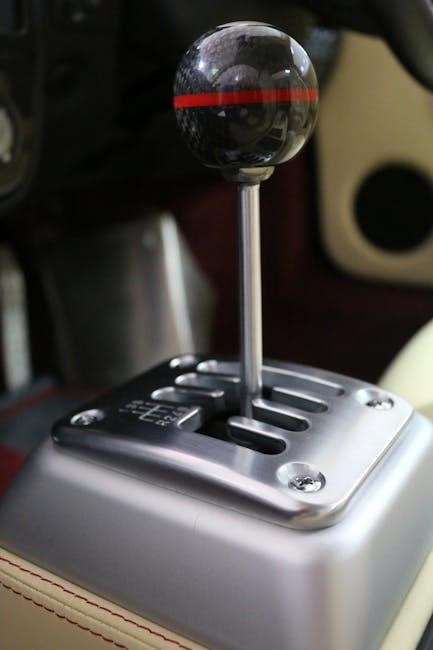
The shift linkage and shifter assembly are crucial for a smooth and precise gear change. Costs here vary significantly based on quality and whether you opt for new or used components. A basic used shifter assembly can be found for around $100-$250, while a new one typically ranges from $200 to $500, depending on the brand and features.
Shift linkage costs are generally lower, around $50-$150 for used parts or $100-$300 for new. Consider a short-throw shifter for a sportier feel, adding another $150-$400 to the budget. Ensure the linkage is compatible with your transmission and chassis.
Driveshaft Modifications/Replacement Costs
Driveshaft needs often arise during a manual swap due to differing lengths between automatic and manual transmission setups. A simple driveshaft modification, like shortening or lengthening, can cost between $200 and $400. However, a complete driveshaft replacement is frequently necessary, especially when swapping into a significantly different vehicle.
New driveshafts range from $400 to $800, depending on the vehicle and material. Used driveshafts can be found for $200-$500, but verifying compatibility and condition is vital. Factor in potential costs for a custom driveshaft if a direct fit isn’t available, potentially exceeding $1000.
ECU Recoding/Tuning Costs
After a manual swap, the Engine Control Unit (ECU) often requires recoding or tuning to recognize the manual transmission and eliminate error codes related to the absent automatic transmission. Basic ECU recoding can range from $150 to $300, depending on the vehicle’s make and model and the complexity of the system.
For vehicles like the Volkswagen Jetta VR6, more extensive tuning might be needed to optimize performance and ensure smooth operation, potentially costing $400 to $800. Custom tuning, offering tailored performance enhancements, can exceed $1000. Ignoring ECU adjustments can lead to drivability issues and warning lights.
Wiring Harness Modifications Costs
Wiring harness modifications are frequently necessary during a manual transmission swap, as the automatic and manual systems utilize different wiring configurations. Simple modifications, like adding or extending wires for the clutch switch or reverse light, might cost $100 to $200 in parts and labor.
However, more complex swaps, particularly in older vehicles, could require significant rewiring or even a custom wiring harness, potentially increasing costs to $500 ⎼ $1000. Professional wiring services are recommended to ensure proper functionality and avoid electrical issues. DIY attempts can be risky without proper expertise.
Additional Hardware Costs (Bolts, Fluids, etc.)
Beyond the major components, a manual transmission swap necessitates a range of smaller hardware purchases that can quickly add up. Expect to spend roughly $100 to $300 on new bolts, nuts, and washers, as reusing old hardware isn’t always advisable.
Essential fluids, including transmission oil, clutch fluid, and potentially brake fluid (if the master cylinder is upgraded), will contribute another $50 to $150. Don’t forget items like zip ties, hose clamps, and potentially sealant for various connections. These seemingly minor costs are crucial for a complete and reliable installation.
Cost Breakdown: Labor
Labor costs for a manual swap typically range from $800 to $2,000, depending on shop rates and complexity; a skilled mechanic might complete it in 6-12 hours.
Shop Labor Rates
Professional installation labor rates significantly impact the overall cost of a manual transmission swap. Rates vary considerably based on geographic location, shop reputation, and mechanic experience; Generally, expect to pay anywhere from $85 to $150 per hour for labor at a reputable shop. Specialized BMW shops, like Bimmer Buddies in Pennsylvania, might quote around $1,000 for the complete swap, potentially including parts sourcing.
California shops often command higher rates due to the increased cost of living and demand. A mechanic estimates a realistic completion time of 6-12 hours, but shops often quote 10-12 hours to account for potential complications. Therefore, labor alone could range from $850 to $1800, depending on the hourly rate and time spent.
Estimated Labor Time
The time required for a manual transmission swap varies based on vehicle complexity, mechanic skill, and potential unforeseen issues. A skilled mechanic believes a swap is “humanly possible” in around 6 hours, but this is an optimistic estimate. Most shops will quote between 10 and 12 hours to provide a buffer for complications.
This extended timeframe accounts for tasks like removing the automatic transmission, installing the manual gearbox, clutch, flywheel, pedal assembly, shift linkage, and addressing any wiring or ECU coding needs. Expect longer times for older or less common vehicles. Accurate labor time estimates are crucial for budgeting the overall swap cost.
DIY vs. Professional Installation
Choosing between a DIY manual transmission swap and professional installation significantly impacts the overall cost. A DIY approach saves substantially on labor, potentially reducing the total expense by $1,000 or more, but demands significant mechanical expertise and time commitment.
Professional installation offers convenience and assurance of a correct installation, but comes with higher labor costs. Shop rates vary regionally, but expect to pay a premium. Carefully assess your skills, available tools, and time before deciding. Incorrect installation can lead to costly repairs, making professional help a worthwhile investment for some.
Total Cost Estimates by Vehicle Type
BMW E30 swaps can start around $1,000, while Jetta VR6 swaps vary; costs depend on parts sourcing and labor, ranging widely by vehicle.
BMW E30 Manual Swap Costs
For a BMW E30 manual swap, budget realistically. A complete swap, utilizing a reputable shop like BimmerBuddies in Pennsylvania, can cost approximately $1,000 for labor alone, assuming the shop supplies the necessary parts. However, this is a baseline estimate, and prices can fluctuate significantly based on location – California tends to be more expensive.
Sourcing a package deal on Facebook Marketplace, including the transmission, shifter, and related components, can potentially lower the initial parts cost to around $850, as one user reported finding a year ago. Expect a shop to quote between 10-12 hours of labor, even if an experienced mechanic believes it’s achievable in 6 hours. Remember to factor in the cost of the transmission itself, clutch kit, flywheel, and pedal assembly when calculating the total expense.
Volkswagen Jetta VR6 Manual Swap Costs
Swapping a Volkswagen Jetta VR6’s automatic tiptronic transmission to a manual requires careful planning and budgeting. The overall cost is relative and depends heavily on sourcing parts. Searching classifieds for a donor car or individual components is a good starting point. While the physical swap isn’t overly complex, expect to spend time with VAG (VCDS) to recode the ECU for the manual transmission and other related systems.
The process involves more than just the gearbox; consider the cost of the clutch, flywheel, shifter linkage, and potentially ECU tuning. Because of the coding required, professional installation is often recommended, adding to the overall expense. Buying a Jetta already equipped with a manual transmission might ultimately prove more cost-effective.
General Cost Ranges for Common Vehicles
Manual swap costs fluctuate significantly based on vehicle make and model. For a BMW E30, a complete swap can range from $1,000 to $3,000, potentially less if sourcing a package deal – one user found a complete kit for $850 on Facebook Marketplace. However, labor costs can add substantially to this figure, with reputable shops in Pennsylvania quoting around $1,000 for the installation itself.
California shops often charge more due to higher labor rates and parts costs. Expect a shop supplying all parts to quote a higher price. A mechanic estimates a 6-10 hour job, but shops often quote 10-12 hours to account for potential issues.
Finding Parts
Parts can be sourced from Facebook Marketplace, junkyards, or retailers; package deals offer cost savings, with some complete kits found for around $850 online.
Sourcing Used Parts (Facebook Marketplace, Junkyards)
Utilizing platforms like Facebook Marketplace and local junkyards presents a significant opportunity to reduce the overall cost of a manual transmission swap. Experienced swappers have successfully located complete transmission packages, including the necessary flywheel and clutch, for approximately $850.
However, sourcing used parts requires diligent inspection to ensure functionality and avoid future complications. Junkyards often offer warranties, providing some peace of mind. Facebook Marketplace necessitates careful vetting of sellers and thorough examination of the components before purchase. Be prepared to potentially spend time searching and negotiating to secure the best deals on used parts, ultimately saving substantial money compared to purchasing new components.
Buying New Parts (Retailers, Online Stores)
Purchasing new components from retailers and online stores guarantees quality and reliability, but comes at a higher price point. A complete new manual transmission setup can easily exceed several thousand dollars, depending on the vehicle and transmission type. Clutch kits, flywheels, and pedal assemblies contribute significantly to the overall expense.
While more costly upfront, new parts often include warranties and eliminate the risk of pre-existing wear or damage found in used options. Online stores frequently offer competitive pricing and a wider selection, but shipping costs should be factored into the total. Carefully research different retailers to find the best deals and ensure compatibility with your vehicle.
Package Deals and Kits
Seeking out package deals or complete swap kits can streamline the process and potentially reduce costs. These kits typically bundle the essential components – transmission, clutch, flywheel, shifter, and sometimes even linkage – into a single purchase. A Facebook Marketplace find yielded an E30 manual swap package for $850 a year ago, demonstrating potential savings.
However, carefully verify the kit’s contents and compatibility with your specific vehicle model. Ensure all necessary parts are included, and research the kit’s reputation for quality. While convenient, kits may not always include every required item, potentially leading to additional purchases.
Potential Additional Costs
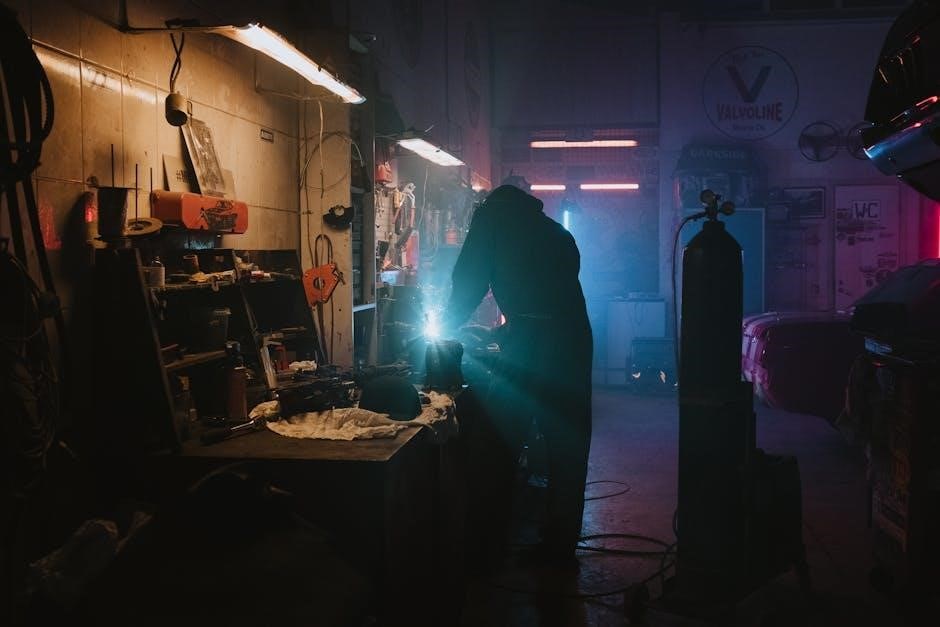
Unexpected issues, differential modifications, or master cylinder/brake line upgrades can arise during a manual swap, increasing the overall project expense significantly.
Unexpected Issues During Installation
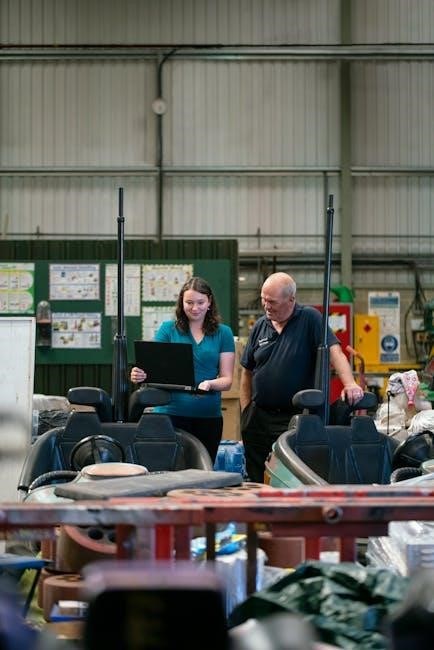
During a manual transmission swap, unforeseen problems can dramatically inflate the budget. Rust, stripped bolts, or damaged components discovered only during disassembly are common culprits.
These necessitate additional parts purchases and labor hours for rectification.
For example, a seized clutch slave cylinder or a corroded fuel line might require replacement, adding several hundred dollars to the total.
Furthermore, compatibility issues between the donor transmission and the vehicle’s existing systems can surface, potentially demanding custom fabrication or specialized adapters.
Always factor in a contingency fund—perhaps 10-20% of the estimated cost—to cover these inevitable surprises and ensure a smoother, less financially stressful conversion process.
Differential Modifications
Often overlooked, differential modifications can significantly impact the cost of a manual swap. Vehicles originally equipped with automatic transmissions frequently have different final drive ratios than their manual counterparts.
Swapping to a manual transmission without addressing this can result in suboptimal performance or fuel economy.
Replacing the differential to match the manual transmission’s gearing typically ranges from $300 to $1,500, including parts and labor.
Additionally, some swaps may necessitate a limited-slip differential upgrade for improved handling, adding another $500 to $2,000 to the overall expense. Careful consideration of these factors is crucial for a well-balanced and enjoyable driving experience.
Master Cylinder and Brake Line Upgrades
During a manual transmission swap, upgrading the master cylinder and brake lines is often recommended, particularly for performance-oriented builds. The increased driver engagement with a manual transmission demands a more responsive braking system. A new master cylinder can range from $150 to $400, while stainless steel brake lines, improving pedal feel and reducing brake fade, typically cost between $200 and $600 installed.
These upgrades enhance safety and driving confidence. Ignoring these components can lead to a spongy brake pedal and diminished stopping power, compromising the overall driving experience.

Regional Cost Variations
Labor costs significantly differ by location; California swaps typically cost more than Pennsylvania due to higher shop rates and parts availability.
Cost Differences Based on Location (e.g., California vs. Pennsylvania)
Geographical location dramatically impacts the overall cost of a manual transmission swap. Shops in California generally charge more for both parts and labor compared to those in Pennsylvania. This disparity stems from higher operating costs, including rent, insurance, and technician wages in California. A swap completed in California might easily reach the higher end of the $1,000-$10,000 range, potentially exceeding $3,000-$5,000 with shop-supplied parts.
Conversely, Pennsylvania, with its lower cost of living, often sees swaps completed for around $1,000-$3,000, as one user reported a $1,000 swap at a reputable shop. Even sourcing parts can be cheaper in certain regions, with Facebook Marketplace offering potential package deals at lower prices outside of high-demand areas. Therefore, location is a crucial factor when budgeting for this modification.
Saving Money on a Manual Swap
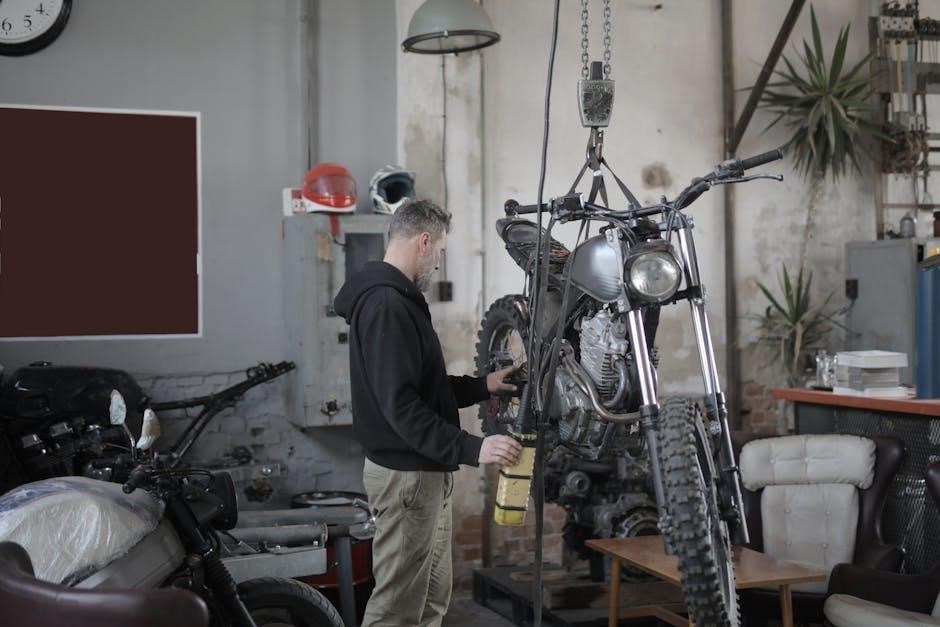
Reducing costs involves DIY work, sourcing used parts via platforms like Facebook Marketplace, and obtaining multiple quotes from different repair shops.
DIY Work
Undertaking the manual swap yourself significantly reduces labor expenses, which can often equal or exceed the parts cost. A mechanic estimates a shop might quote 10-12 hours, while an experienced DIYer could potentially complete the task in around 6 hours. However, this requires substantial mechanical knowledge, specialized tools, and a dedicated workspace.
Be realistic about your skill level; improper installation can lead to costly repairs or safety hazards. Thorough research, detailed guides, and online forum support are crucial. While saving on labor is attractive, factor in the value of your time and the potential for mistakes. A failed DIY attempt could ultimately be more expensive than professional installation.
Sourcing Used Parts
Finding used components is a key strategy for minimizing manual swap costs. Platforms like Facebook Marketplace and local junkyards can yield significant savings on transmissions, pedal assemblies, and shift linkages. One user reported finding a complete E30 manual swap package for $850 on Facebook Marketplace a year ago. However, used parts require careful inspection for wear and tear.
Verify the compatibility and condition before purchasing. Factor in potential repair or replacement costs if a used part fails shortly after installation. Junkyards often offer warranties, but these may be limited. Patience and diligent searching are essential to securing quality used parts at affordable prices.
Comparing Shop Quotes
Obtaining multiple quotes from reputable shops is crucial for securing a competitive price on your manual swap. Labor rates and parts sourcing strategies vary considerably between establishments. One user in California noted higher costs compared to Pennsylvania, highlighting regional price differences. A BMW shop in Pennsylvania quoted $1,000 for a swap, assuming the shop supplied the parts.
Ensure each quote details both parts and labor costs separately. Inquire about the shop’s experience with manual swaps specifically, and ask for references. Don’t automatically choose the lowest bid; consider the shop’s reputation and warranty offerings.
Resources and Further Information
Online forums, like BimmerBuddies, and communities provide valuable insights, while specialized shops offer expertise for successful and cost-effective manual transmission swaps.
Online Forums and Communities
Engaging with online forums and communities dedicated to vehicle modifications is incredibly beneficial when considering a manual transmission swap. These platforms host a wealth of knowledge from individuals who have already undertaken similar projects, offering firsthand experiences and cost breakdowns.
For BMW E30 enthusiasts, forums often discuss specific shops like “BimmerBuddies” in Pennsylvania, where swaps can be completed for around $1,000 in labor. Volkswagen Jetta VR6 owners will find discussions regarding ECU recoding with VAG tools, a crucial step after the physical swap.
These communities are invaluable for sourcing used parts, discovering package deals (like a complete E30 swap for $850 found on Facebook Marketplace), and gaining realistic expectations regarding labor times – often quoted between 10-12 hours by professional shops, though experienced DIYers may complete it in 6.
Reputable Shops Specializing in Manual Swaps
Locating a shop specializing in manual transmission swaps is crucial for a successful and cost-effective conversion. These establishments possess the expertise to navigate the complexities of drivetrain modifications and ECU recoding. Shops like “BimmerBuddies” in Pennsylvania are frequently recommended within BMW E30 communities, with reported labor costs around $1,000, assuming the owner supplies the parts.
However, costs can escalate significantly depending on location; California shops often quote higher prices due to regional labor rates. It’s vital to obtain multiple quotes and clarify whether the shop includes parts in their estimate.
Experienced mechanics estimate a swap can take 6-12 hours, influencing the overall labor cost. Choosing a shop familiar with your specific vehicle model ensures a smoother process and minimizes potential complications.
Leave a Reply
You must be logged in to post a comment.