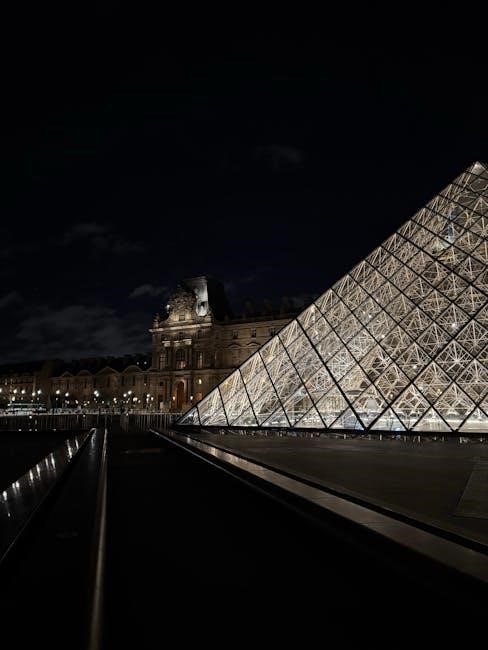
Article Plan: Night at the Museum — Instruction Manual
Welcome, intrepid explorer! This manual details surviving a Night at the Museum, covering everything from exhibit interaction to emergency protocols.
Congratulations on securing access to this extraordinary experience! A night within these walls promises wonder, but demands preparation. Understand that the museum transforms after dark, becoming a vibrant, unpredictable realm. This isn’t a typical sleepover; exhibits awaken, history breathes, and adventure awaits. Review this manual thoroughly before entry to maximize enjoyment and ensure a safe, memorable night.
Understanding the Museum’s Unique Properties
This museum isn’t merely a building; it’s a nexus of temporal energy. Ancient artifacts possess residual magic, activated by an unknown force at nightfall. This energy imbues exhibits with a semblance of life, allowing historical figures and creatures to roam. The museum’s layout subtly shifts, and security systems behave erratically – prepare for the unexpected!
The Ancient Magic & Activation
The source of the museum’s nocturnal activity remains a mystery, theorized to stem from an ancient Egyptian artifact. Activation begins precisely at midnight, triggered by lunar alignment and atmospheric conditions. This surge of energy awakens exhibits, granting them temporary autonomy. The effect dissipates at dawn, returning everything to its static state.
Historical Period Specific Zones
The museum is divided into distinct historical zones, each exhibiting unique activation patterns. Ancient Egypt tends towards regal pronouncements, while the Medieval section often features boisterous feasting. The Wild West zone is prone to impromptu duels. Understanding these zone-specific behaviors is crucial for safe navigation and minimizing unwanted interactions.
Essential Gear & What to Pack
Prioritize practicality! A fully charged flashlight (with extra batteries) is paramount. Pack a small, durable backpack for essentials: water bottle, high-energy snacks (approved list – see section on sustenance), and a basic first-aid kit. Avoid metallic objects; they may attract certain exhibits. Comfortable, quiet clothing is also vital.
Comfortable Footwear – A Marathon, Not a Stroll
Expect extensive walking! The museum transforms into a vast, unpredictable landscape after dark. Sturdy, broken-in athletic shoes are non-negotiable. Avoid heels, sandals, or anything that restricts movement. Blisters can quickly ruin your adventure. Consider bringing extra socks – you’ll thank us later during your nocturnal exploration.
Night Vision Equipment (Optional, but Recommended)
Enhance your experience! While the museum has emergency lighting, many areas will be dimly lit. Night vision goggles or a flashlight with a red-light filter are highly recommended for navigation and observing exhibits. Red light minimizes disturbance to awakened historical figures and maintains your stealth.
Navigating the Museum After Dark
Orientation is key! The museum’s layout shifts subtly after activation. Familiarize yourself with the floor plans before nightfall. Utilize the provided tablet (if available) for real-time mapping. Stick to well-lit corridors initially, and avoid restricted areas marked with caution tape – they’re restricted for a reason!
Understanding the Layout & Security Systems
The museum’s security is…unique. Traditional alarms exist, but exhibits themselves often act as sensors. Motion detectors are prevalent, particularly near valuable artifacts. Security cameras are present, but their effectiveness is questionable when statues are roaming. Learn the patrol routes – and avoid them!
Avoiding Triggering Alarms (and Angry Exhibits)
Stealth is paramount. Avoid direct contact with exhibits unless absolutely necessary. Loud noises, sudden movements, and shining lights directly at them can provoke a response. Respect their “personal space.” Remember, some exhibits are fiercely protective of their artifacts and historical accuracy!
Exhibit Interaction Guidelines
Approach with respect and caution. Direct questioning is often met with confusion or historical lectures. Offer small, relevant gestures – a nod to a Roman soldier, a respectful bow to a pharaoh. Avoid challenging their historical narratives; diplomacy is key to a peaceful night.
Do’s and Don’ts of Communicating with Historical Figures
Do demonstrate genuine curiosity about their era and accomplishments. Don’t introduce modern concepts or attempt to “correct” their understanding of history. Avoid discussing future events; paradoxes are problematic. Politeness and a respectful demeanor are crucial for positive interactions.
Recognizing Potentially Hostile Exhibits
Be wary of exhibits displaying territorial behaviors – pacing, glaring, or weapon displays. Roman soldiers, particularly centurions, often challenge perceived intrusions. Tyrannosaurus Rex exhibits exhibit predatory instincts; maintain maximum distance. Ancient Egyptian figures may react negatively to disrespect. Observe body language carefully!
Dealing with Common Exhibit “Awakenings”
Most awakenings are curiosity-driven, not malicious. Avoid direct confrontation; slow, deliberate movements are key. Offer a relevant historical object as a distraction. For confused figures, calmly state their historical context. Never attempt to physically restrain an exhibit; prioritize evasion and reporting to security.
Roman Soldiers: Tactics for Distraction
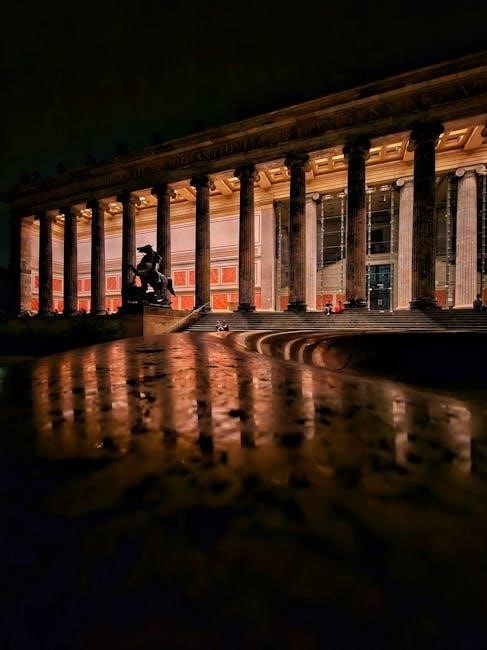
Roman soldiers respond to displays of military order and honor. A crisp salute, or a recitation of famous Roman victories, can momentarily appease them. Offering a replica gladius or shield may redirect their attention. Avoid challenging their authority or questioning Roman military tactics – it escalates quickly!
Tyrannosaurus Rex: Evacuation Procedures
The T-Rex possesses limited turning radius and relies heavily on forward momentum. Evacuate by utilizing the museum’s structural pillars for cover, creating a zig-zag path. Avoid open spaces! The designated safe zones are reinforced exhibit halls – proceed swiftly and quietly. Do NOT attempt to reason with the T-Rex.
Food & Sustenance During Your Night
Maintaining energy levels is crucial during your nocturnal exploration. Approved snacks include energy bars, dried fruit, and sealed sandwiches – prioritize quiet consumption. Avoid strong odors; they may attract unwanted attention from awakened exhibits. Hydration is key; water bottles are permitted, but sugary drinks are discouraged due to potential hyperactivity.
Approved Snack List (and What to Avoid)
Fuel your adventure wisely! Acceptable snacks include granola bars, trail mix (nut-free options available), and sealed fruit. Absolutely avoid anything with strong smells – cheese, onions, or fish are strictly prohibited. Loudly packaged foods are also discouraged. Chocolate may attract certain exhibits, so consume with caution!
Maintaining a Low Profile While Eating
Discretion is key! Consume snacks in designated, dimly lit areas, away from direct exhibit sightlines. Avoid crinkling wrappers or making any noticeable sounds. Remember, even a small noise could alert a Roman legion or a curious T-Rex. Quick, quiet consumption is paramount for a peaceful night.
Emergency Protocols & Contact Information
In case of exhibit uprising, immediately contact Museum Security at 555-MUSEUM (555-687-386). Designated safe zones are located within the Egyptian exhibit and the gift shop. First aid kits are stationed near security desks. Prioritize personal safety and report all incidents promptly to maintain order.
Museum Security Hotline & Designated Safe Zones
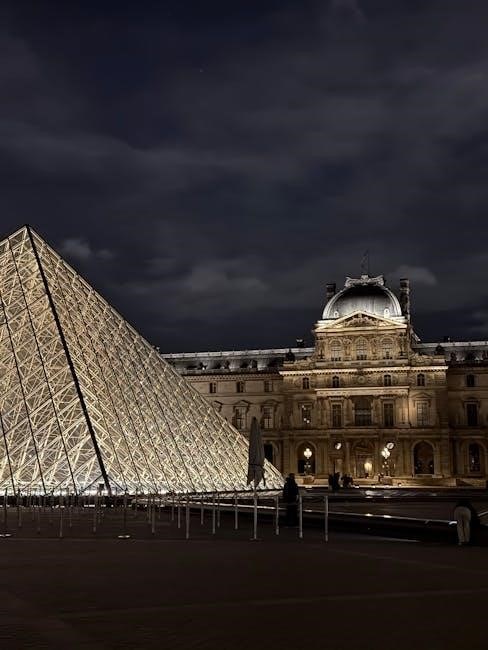
For immediate assistance, dial 555-MUSEUM (555-687-386). Designated safe zones include the robustly constructed Egyptian exhibit and the surprisingly secure gift shop area. These locations offer relative protection during unexpected exhibit activations. Report your location clearly to security personnel.
First Aid Kit Location & Basic Injury Treatment
The primary first aid kit is located within the Information Desk, accessible via the Grand Foyer. Kits contain bandages, antiseptic wipes, and pain relievers. For minor scrapes or bruises, clean the area and apply a bandage. Severe injuries require immediate security contact!
The Role of the Tablet/Guide (If Provided)
Your provided tablet is crucial for navigating the museum’s nocturnal activity. It features an interactive map, exhibit database, and emergency contact list. Utilize the ‘Exhibit Status’ function to monitor activity levels. Decoding historical clues and puzzles is also possible through the tablet’s interface.
Utilizing the Exhibit Database
The exhibit database, accessible via the tablet, provides vital information. Learn each exhibit’s historical context, personality quirks, and potential activation triggers. Understanding motivations is key to peaceful coexistence. Cross-reference data to predict behavior and avoid unwanted interactions during your nighttime exploration.
Decoding Historical Clues & Puzzles
Throughout the museum, exhibits may leave clues – riddles, symbols, or altered displays – hinting at their desires or past events. Utilize the database to decipher these puzzles, connecting them to historical facts. Solving them can appease restless spirits and prevent chaotic awakenings during your night.
Understanding Exhibit Personalities & Motivations
Each exhibit retains a fragment of its historical figure’s personality. Researching their lives – using the provided tablet – is crucial. A Roman soldier might crave honor, while a pharaoh desires reverence. Knowing their motivations allows for peaceful interaction, preventing unwanted attention or, worse, activation events.
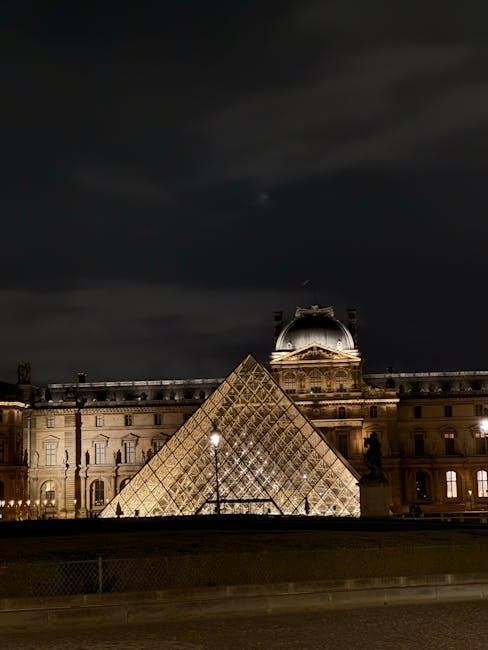
Identifying Key Historical Figures & Their Quirks
Certain figures are more prone to “awakening” than others. Napoleon’s ambition, for example, might lead to strategic re-enactments. Queen Nefertiti could demand lavish displays of admiration. Recognizing these quirks – documented in the exhibit database – allows you to anticipate behavior and avoid triggering disruptive events within the museum.
Predicting Exhibit Behavior Based on Historical Context
Understanding the era from which an exhibit originates is crucial. Roman soldiers will likely adhere to military protocol, while figures from the Renaissance may engage in artistic debates. Consider their societal norms; a Victorian-era exhibit will have vastly different expectations than a prehistoric one, influencing interactions.
Troubleshooting Common Night-at-the-Museum Problems
Lost? Re-orient using the museum map and identifiable landmarks. Exhibit-induced chaos? Prioritize de-escalation, avoiding direct confrontation. Alarm triggered? Immediately seek a designated safe zone. Stuck? Utilize the tablet’s exhibit database for clues. Remember, historical accuracy and respect are key to resolving most issues.
Lost in the Museum: Reorientation Techniques
Panic is your enemy! Utilize the provided museum map, focusing on fixed landmarks like grand staircases or prominent exhibits. The tablet’s internal GPS can assist, but signal interference is possible. Retrace your steps, noting unique architectural details. If truly disoriented, head towards the nearest security checkpoint for assistance.
Exhibit-Induced Chaos: Damage Control
Containment is key! Minor disruptions – scattered artifacts, displaced displays – should be documented and reported immediately. Avoid direct confrontation with agitated exhibits. Utilize distraction techniques (loud noises, bright lights) to redirect their focus. For significant damage, activate the museum security hotline and await professional assistance.
The Importance of Historical Accuracy & Respect
Preserve the timeline! Avoid any actions that could alter historical events, even seemingly minor ones. Treat all exhibits – and awakened historical figures – with utmost respect. Remember, you are a guest in their time. Disrespectful behavior may provoke negative reactions and unforeseen consequences.
Avoiding Alterations to the Timeline
Temporal integrity is paramount! Do not offer future knowledge or technology to historical figures. Refrain from intervening in past events, no matter how tempting. Even small changes can create paradoxes. Observe, document, but never interfere with the established historical record – the consequences could be catastrophic.
Maintaining the Integrity of the Exhibits
Handle with utmost care! Exhibits are fragile artifacts representing history. Avoid touching, leaning on, or otherwise disturbing displays. Do not attempt repairs or adjustments. Report any accidental damage immediately to museum security. Preservation is key; respect the exhibits’ historical context and physical state at all times.
Nighttime Museum Etiquette
Respect the silence! Maintain a low profile and minimize noise to avoid disturbing awakened exhibits. Speak softly, avoid running, and refrain from loud laughter. Remember, you are a guest in their time. Consider exhibits as fellow “guests” requiring courtesy and quietude throughout the night.
Noise Levels & Respecting Other “Guests” (Exhibits)
Minimize auditory disturbances! Excessive noise can agitate exhibits, potentially leading to unpredictable behavior. Speak in hushed tones, avoid sudden movements, and refrain from using electronic devices at high volume. Treat each exhibit with the respect you’d offer a living being – they were once alive!
Photography & Documentation Guidelines
Document your adventure responsibly! Flash photography is strictly prohibited as it can disrupt exhibit activation and cause damage. Non-flash photography is permitted for personal use, but avoid focusing on exhibits exhibiting signs of distress. Do not share location data publicly, preserving the museum’s secrecy.
Preparing for Re-Activation at Dawn
As dawn approaches, exhibits will begin to revert! Ensure all interacted-with items are returned to their original positions. Avoid direct contact during re-activation; maintain a safe distance. Report any anomalies – exhibits failing to deactivate – immediately to museum security via the provided channels.
Ensuring Exhibits Return to Their Static State
Observe exhibits closely as daylight increases! Confirm each display returns to its pre-activation pose and setting. Subtle shifts can indicate lingering energy. Document any discrepancies with photos and detailed notes for the security team. Prompt reporting is crucial for maintaining historical integrity and preventing future incidents.
Final Sweep & Reporting Any Anomalies
Before departure, conduct a thorough museum-wide sweep! Verify all exhibits are correctly positioned and secured. Note any displaced objects, unusual sounds, or lingering magical effects. Immediately report all anomalies to museum security via the provided hotline – even seemingly minor details are vital for post-event analysis.
Frequently Asked Questions (FAQ)
Q: What if an exhibit follows me out? A: Immediately alert security! Do not attempt engagement. Q: Can I take souvenirs? A: Absolutely not! Q: What about food? A: See the approved snack list. Q: Is photography allowed? A: Yes, but avoid flash photography near sensitive exhibits.
Participation is at your own risk. The Museum assumes no liability for injuries, historical inaccuracies encountered, or temporal paradoxes created. Altering exhibits or the timeline is strictly prohibited and may result in legal repercussions. By entering, you agree to these terms.
Leave a Reply
You must be logged in to post a comment.