
BMW X3 Manual Gearbox: A Comprehensive Guide (Updated November 2nd, 2026)
This guide, updated today, November 2nd, 2026, delves into the world of BMW X3 manual transmissions, leveraging insights from automotive journalist Roger Biermann’s expertise.
The BMW X3, a popular compact luxury SUV, has offered enthusiasts the engaging experience of a manual transmission across several generations. This guide focuses specifically on these models, acknowledging the dwindling availability of manual gearboxes in modern vehicles. Understanding the nuances of the X3’s manual system requires appreciating its historical context and the benefits it provides to driving purists.
Automotive journalist Roger Biermann, with thirteen years of experience and currently Managing Editor at CarBuzz, highlights the importance of understanding these systems. While many drivers now prefer automatic transmissions, the manual gearbox in the X3 delivers a more connected and controlled driving experience. This introduction sets the stage for a detailed exploration of the X3’s manual transmission, covering everything from its history to maintenance and performance potential.
Historical Overview of Manual X3 Models
The availability of a manual transmission in the BMW X3 has fluctuated throughout its production run. Initially, the first-generation E83 X3 (2003-2010) offered a six-speed manual as a readily available option, catering to drivers seeking a more involved experience. The subsequent F25 generation (2010-2017) saw a reduction in manual availability, becoming more limited by market and engine choices.
Currently, as of November 2nd, 2026, the G01 generation (2017-present) largely discontinued the manual option, reflecting broader industry trends. Automotive journalist Roger Biermann notes this shift, emphasizing the increasing preference for automatics. However, dedicated enthusiasts continue to seek out earlier X3 models equipped with manual gearboxes, valuing the direct control and driving engagement they provide. This historical overview highlights the evolving landscape of manual X3s;
Why Choose a Manual BMW X3? (Advantages & Disadvantages)
Opting for a manual BMW X3 delivers a uniquely engaging driving experience, offering greater control and a stronger connection to the vehicle. Advantages include a lower purchase price (typically for older models), enhanced fuel efficiency in some scenarios, and the sheer joy of driver involvement. However, disadvantages exist.
A manual gearbox demands more driver attention, potentially becoming tiresome in heavy traffic. Roger Biermann, an automotive journalist, points out resale value can be lower due to limited demand. Furthermore, mastering smooth shifts requires practice. Despite these drawbacks, the manual X3 appeals to enthusiasts prioritizing driving pleasure over convenience, offering a rewarding alternative to automatic transmissions.
Specific X3 Generations with Manual Options
The availability of a manual gearbox within the BMW X3 lineup has varied significantly across generations. The initial E83 generation (2003-2010) offered a six-speed manual transmission on select models, primarily catering to European markets and some North American configurations. The subsequent F25 generation (2010-2017) saw a reduced offering, with manual options becoming increasingly rare, largely dependent on engine choice and regional demand.
Currently, the G01 generation (2017-Present) presents the most limited manual availability. While some base models initially offered a manual, it’s becoming exceedingly uncommon. Automotive journalist Roger Biermann notes the trend reflects a broader industry shift towards automatic transmissions, impacting even enthusiast-focused vehicles like the X3.

E83 Generation (2003-2010) Manual X3 Details
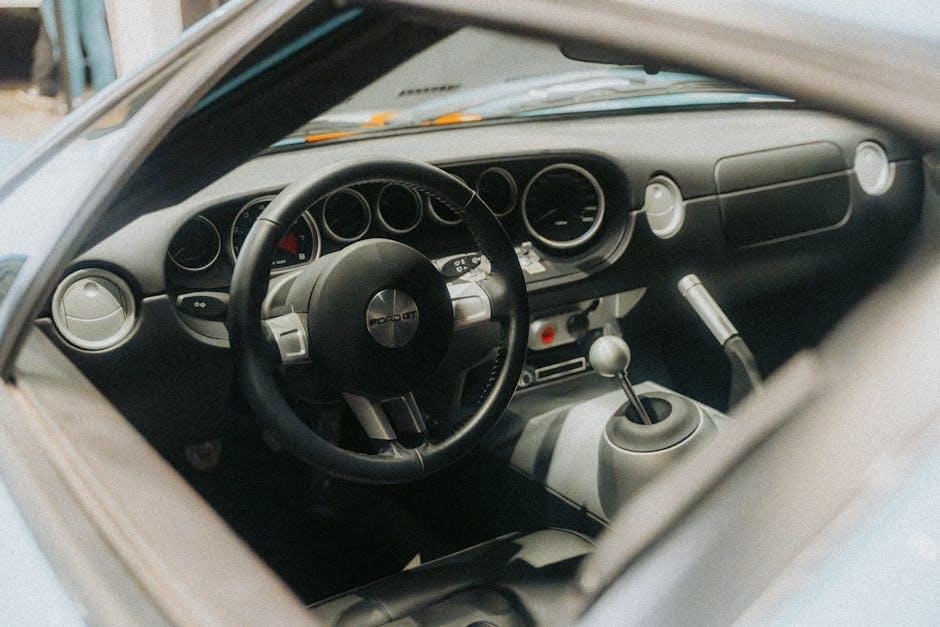
The first-generation BMW X3 (E83), produced from 2003 to 2010, frequently featured a robust six-speed manual transmission, particularly with the 2.0d, 2.5i, and 3.0i engine options. This gearbox, known for its precise shift feel, provided a direct connection for driving enthusiasts. It was more prevalent in European markets, though some North American models also offered the manual.
Roger Biermann, a seasoned automotive journalist, highlights that the E83’s manual was favored for its engaging driving experience. Common gearbox codes include those associated with the Getrag transmission family. Finding a well-maintained E83 manual today requires diligent searching, as automatics dominated sales figures, making manual examples relatively rare and sought-after.
F25 Generation (2010-2017) Manual X3 Details
The second-generation X3 (F25), spanning 2010-2017, saw a significant decrease in manual transmission availability, especially in North America. While offered with a six-speed manual in Europe, primarily with the 2.0d and potentially some 3;0d variants, it became increasingly rare. The focus shifted heavily towards automatic transmissions, catering to broader market preferences.
Automotive journalist Roger Biermann notes that the F25’s manual option was largely a response to continued demand from European drivers. Gearbox codes are again linked to the Getrag family, though specific iterations differ from the E83. Locating an F25 with a manual gearbox now presents a considerable challenge, commanding a premium due to its scarcity and appeal to purists.
G01 Generation (2017-Present) – Manual Availability & Limitations
The current G01 generation BMW X3 (2017-present) effectively discontinued the manual transmission option in most global markets, including North America and, increasingly, Europe. BMW’s strategic shift prioritized automatic transmissions and advanced driver-assistance systems, aligning with evolving consumer expectations.
While a six-speed manual was briefly available with select 2.0d engines in Europe early in the G01’s production run, it was quickly phased out. Roger Biermann, a seasoned automotive journalist, highlights that this decision reflects a broader industry trend. Finding a G01 X3 with a manual gearbox is exceptionally difficult, making any existing examples highly collectible and valuable to enthusiasts seeking a traditional driving experience.
Technical Specifications of the X3 Manual Gearbox
BMW X3 manual gearboxes, across generations, predominantly utilized a robust six-speed configuration, prioritizing durability and driver engagement. These transmissions feature a single-plate dry clutch system, designed for smooth operation and relatively straightforward maintenance. Gear ratios vary slightly depending on the engine paired with the gearbox, influencing acceleration and fuel efficiency.
Common gearbox codes include GS6-17BG and GS6-53BG, identifiable via stamped markings on the casing. Understanding these codes is crucial for sourcing correct replacement parts. Automotive journalist Roger Biermann notes that BMW focused on optimizing gear lever travel and shift feel, contributing to the X3’s engaging driving dynamics. Final drive ratios also play a key role, impacting overall performance characteristics.
Gear Ratios and Final Drive Options
The BMW X3’s manual gearbox gear ratios are meticulously calibrated to balance performance and efficiency, varying slightly between engine variants. First gear typically features a ratio around 3.54, providing strong initial acceleration, while top gear (sixth) often sits around 0.67 for highway cruising. These ratios work in conjunction with the final drive, influencing overall gearing;
Common final drive ratios include 3.64, 3.91, and 4.10, with lower numbers favoring fuel economy and higher numbers prioritizing acceleration. Roger Biermann’s analysis highlights that selecting the appropriate final drive depends on intended use. Shorter final drives enhance responsiveness, while longer ones improve highway comfort. Understanding these options allows owners to tailor the X3’s driving characteristics to their preferences.
Clutch System Details & Maintenance
The BMW X3 manual gearbox utilizes a single-plate, dry-type clutch system, known for its robust design and relatively straightforward maintenance. Clutch engagement is typically hydraulic, offering consistent pedal feel. Regular inspection of the clutch disc, pressure plate, and release bearing is crucial for longevity.
As automotive journalist Roger Biermann suggests, preventative maintenance, including checking clutch travel and fluid levels, can prevent premature failure. Symptoms of a failing clutch include slippage, difficulty engaging gears, and unusual noises. Replacement intervals vary based on driving style, but typically range from 60,000 to 100,000 miles. Proper break-in procedure after replacement is vital to maximize clutch life.
Common Gearbox Codes & Identification
Identifying the specific manual gearbox within your BMW X3 is crucial for sourcing correct parts and understanding its capabilities. Common codes include the GS6-17BG, GS6-53BG, and variations depending on the engine and model year. These codes are typically found on the gearbox housing itself, often requiring visual inspection from underneath the vehicle.
Automotive journalist Roger Biermann emphasizes the importance of accurate identification. Decoding the VIN can also reveal gearbox information, though it may not be as precise as the code stamped on the unit. Knowing the gearbox code allows for targeted research into gear ratios, potential weaknesses, and compatible upgrade options. Online BMW parts catalogs are invaluable resources for cross-referencing codes.
Driving Techniques for the X3 Manual
Mastering the BMW X3’s manual gearbox unlocks a more engaging driving experience. Smooth shifting requires coordinating clutch release with throttle input, minimizing jerkiness. Rev-matching on downshifts is key to maintaining vehicle balance and reducing wear on the synchronizers.
Advanced techniques like heel-toe downshifting, favored by automotive journalist Roger Biermann, allow simultaneous braking and throttle control for seamless corner entry. Hill starts demand precise clutch control to prevent rollback. Practice these techniques in a safe environment to build muscle memory and confidence. Understanding the gearbox’s characteristics enhances control and maximizes driving pleasure.
Smooth Shifting Techniques
Achieving seamless gear changes in your BMW X3 manual requires a delicate balance of coordination. Begin by fully depressing the clutch pedal and simultaneously moving the gear lever to the desired position with a firm, deliberate motion.

As you begin to release the clutch, gently apply throttle. The goal is to synchronize engine speed with road speed, minimizing any lurching or jarring. Automotive journalist Roger Biermann emphasizes practice; smooth shifts come with familiarity; Avoid ‘dumping’ the clutch, which causes abrupt engagement. Consistent practice builds muscle memory, resulting in a refined and enjoyable driving experience.
Heel-Toe Downshifting Explained
Heel-toe downshifting, a technique favored by performance drivers, allows for smoother and more controlled downshifts in your BMW X3 manual. It involves simultaneously braking with the ball of your foot while ‘blipping’ the throttle with your heel – or the side of your foot – to match engine RPM to the lower gear.
This prevents upsetting the car’s balance during corner entry. Automotive journalist Roger Biermann notes this requires significant practice. Mastering heel-toe minimizes transmission braking and maintains vehicle stability. It’s a nuanced skill, demanding precise footwork and coordination, ultimately enhancing driving enjoyment and control.
Hill Starts and Clutch Control
Successfully launching a manual BMW X3 on an incline demands precise clutch and throttle coordination. The challenge lies in preventing rollback while smoothly engaging power. Begin by holding the brake firmly, then gradually release the clutch to the biting point – where the engine begins to pull.
Simultaneously, gently apply throttle. As you feel the engine engage, smoothly release the brake and continue applying throttle to maintain momentum. Automotive journalist Roger Biermann emphasizes practice is key. Mastering this technique avoids stalling and ensures a confident, controlled hill start, crucial for maintaining vehicle control and passenger comfort.
Maintenance and Repair of the X3 Manual Gearbox
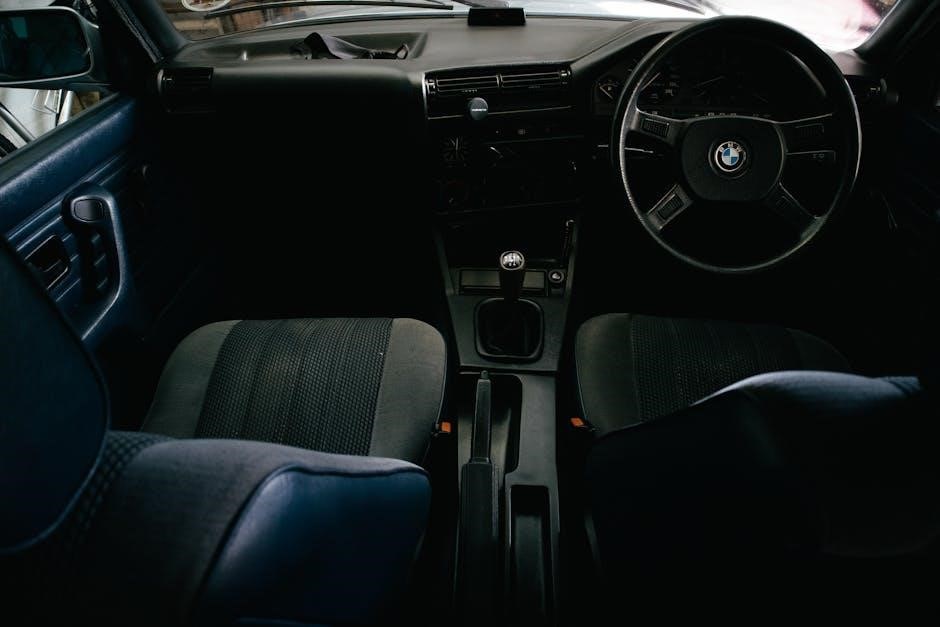
Proactive maintenance is vital for the longevity of your BMW X3’s manual gearbox. Regular inspections should include checking for leaks, unusual noises, and smooth clutch engagement. Following a strict maintenance schedule, as recommended by BMW, prevents costly repairs down the line. Automotive journalist Roger Biermann highlights the importance of addressing minor issues promptly.
Common repairs often involve clutch replacement, synchro ring issues, or selector rod wear. Utilizing quality parts and a skilled technician is paramount; Ignoring warning signs can lead to complete gearbox failure, necessitating a full rebuild or replacement – a significantly more expensive undertaking. Prioritize preventative care!
Regular Maintenance Schedule
A consistent maintenance schedule is crucial for your BMW X3’s manual gearbox. Every 30,000 miles, or two years (whichever comes first), inspect the gearbox oil for contamination and level, topping up if necessary. Roger Biermann, an automotive journalist, emphasizes the importance of fluid quality.
Complete gearbox oil changes should occur every 60,000-80,000 miles, depending on driving conditions. Simultaneously, inspect the clutch master and slave cylinders for leaks. Check shift linkage for play and ensure smooth operation. Regularly inspect the clutch disc wear – a worn clutch impacts performance. Adhering to this schedule minimizes potential issues and extends the gearbox’s lifespan.
Common Problems and Troubleshooting
Several issues can plague the BMW X3 manual gearbox. Grinding gears often indicate low gearbox oil, worn synchros, or clutch problems. Difficulty shifting can stem from a faulty clutch master/slave cylinder or worn shift linkage. Automotive journalist Roger Biermann notes that ignoring these symptoms leads to costly repairs.
Clutch slippage suggests a worn clutch disc, requiring replacement. Unusual noises, like whining, may point to bearing failure. Regularly check for oil leaks around the gearbox housing. Troubleshooting involves inspecting fluid levels, linkage adjustments, and clutch components. Professional diagnosis is recommended for complex issues to prevent further damage.
Gearbox Fluid Types and Change Intervals
Maintaining the correct gearbox fluid is crucial for BMW X3 manual transmissions. BMW typically specifies a specific GL-4 or GL-5 grade mineral or synthetic oil, depending on the gearbox code. Refer to your owner’s manual for the precise specification. Using the incorrect fluid can cause damage to synchros and bearings.
Change intervals vary, but a general guideline is every 30,000 to 60,000 miles, or every 2-3 years, whichever comes first; More frequent changes are recommended for aggressive driving. Automotive journalist Roger Biermann emphasizes that regular fluid changes are preventative maintenance, extending gearbox life and ensuring smooth operation. Always check for leaks after a fluid change.
Performance and Tuning Potential
While the BMW X3 manual isn’t typically a primary tuning platform, performance gains are achievable. Aftermarket gearbox upgrades, such as shorter throw shifters, improve shift speed and feel, enhancing the driving experience. Strengthening the gearbox internals – synchros and gears – becomes vital with increased engine power.
Clutch upgrade options are essential for handling increased torque. Options range from heavy-duty organic clutches for moderate power gains to multi-plate clutches for significant horsepower. Automotive journalist Roger Biermann notes that proper clutch selection and installation are critical for reliability. Careful consideration of drivetrain components is needed to maximize performance.
Aftermarket Gearbox Upgrades
Several aftermarket upgrades can refine the BMW X3 manual gearbox experience. Shorter throw shifters are popular, reducing shift travel for quicker, more precise gear changes, enhancing driver engagement. Upgraded shift knobs, offering improved grip and weighting, contribute to a sportier feel. Internal gearbox component enhancements, like reinforced synchros, improve durability, especially with performance modifications.

Busings replacements, utilizing polyurethane instead of rubber, minimize shifter slop and improve responsiveness. Roger Biermann, an automotive journalist, emphasizes that quality components are crucial. While complete gearbox swaps are rare, certain ratios can be altered with specialized parts. Careful research and professional installation are recommended for optimal results.
Clutch Upgrade Options for Increased Power
For BMW X3 manual models experiencing increased power – through tuning or engine swaps – a clutch upgrade is essential. Stock clutches often slip under higher torque loads, leading to performance loss and premature wear. Options range from heavy-duty organic clutches, offering increased clamping force without sacrificing pedal feel, to performance ceramic clutches, providing superior grip but a stiffer pedal.
Flywheel upgrades, often paired with clutch replacements, reduce rotational mass, improving engine responsiveness. Roger Biermann, a seasoned automotive journalist, advises considering driving style; ceramic clutches are less forgiving for daily driving. Upgraded pressure plates and throw-out bearings enhance reliability. Professional installation is vital to ensure proper function and prevent damage.
Finding and Buying a Used Manual X3
Locating a used manual BMW X3 requires diligent searching, as they represent a smaller percentage of the total X3 market. Online marketplaces like AutoTrader, Cars.com, and BMW-specific forums are excellent starting points. Be prepared to expand your search radius, as manual transmissions were less popular in certain regions. Thoroughly vet the seller’s history and request a pre-purchase inspection by a qualified mechanic specializing in BMWs.
Roger Biermann, with his 13 years of automotive journalism experience, stresses the importance of checking the gearbox for smooth operation during test drives. Look for any grinding noises or difficulty engaging gears. A well-maintained service history is crucial, indicating regular gearbox fluid changes and clutch maintenance.
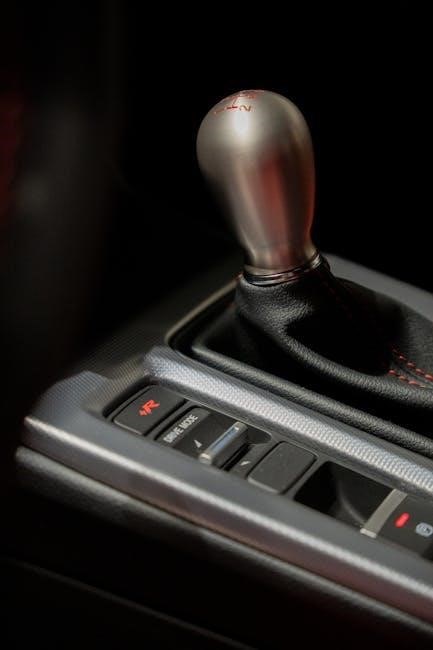
What to Look for During Inspection
A comprehensive inspection is paramount when considering a used manual X3. Begin by checking for smooth gear engagement across all speeds, listening for any unusual noises like grinding or whining. Examine the clutch pedal for consistent feel and proper travel; a spongy or excessively high pedal suggests wear. Inspect the shift linkage for play or looseness, potentially indicating worn bushings.

Following Roger Biermann’s advice, scrutinize the gearbox casing for leaks, a sign of potential seal failure. Verify the gearbox fluid level and condition – it should be clean and free of metallic particles. A thorough check of the vehicle’s service history will reveal past maintenance, offering valuable insight into the gearbox’s care.
Typical Price Ranges (Based on Generation & Condition)
Pricing for manual BMW X3s varies significantly based on generation, condition, and mileage. Expect an E83 (2003-2010) in good condition to range from $6,000 to $12,000, reflecting its age. The F25 generation (2010-2017) typically commands $14,000 to $22,000, depending on trim and maintenance history.
Given the limited availability of manual G01 models (2017-present), prices can soar from $28,000 upwards, often exceeding $35,000 for well-maintained, lower-mileage examples. Roger Biermann’s insights suggest that rarer, well-documented examples will always fetch a premium. Condition is key; addressing mechanical issues will impact the final price considerably.
Resources for Finding Manual X3s for Sale
Locating a manual BMW X3 requires diligent searching. Online marketplaces like AutoTrader, Cars.com, and Craigslist are good starting points, utilizing specific search filters for “manual transmission.” BMW-specific forums, such as Bimmerfest and X3Post, often feature classifieds sections with dedicated enthusiasts selling their vehicles.
Specialist BMW dealerships, though less common, may occasionally have manual X3s in stock. Roger Biermann recommends leveraging BMW car clubs for potential leads and pre-purchase inspections. Patience is crucial, as manual X3s are relatively rare. Thoroughly vetting sellers and obtaining vehicle history reports are essential steps in the buying process.
Leave a Reply
You must be logged in to post a comment.