
Manual handling in aged care presents unique challenges, demanding comprehensive PDF guides for safe practices.
Training and facility design are crucial for worker wellbeing.
The Growing Need for Safe Practices
The aged care sector faces a rising demand for skilled workers, coupled with an aging population requiring increasing levels of assistance. This intensifies the need for robust manual handling practices, detailed within comprehensive PDF resources.
Injuries stemming from tasks like resident transfers and linen handling are prevalent. Proactive measures, guided by documents like the Aged Care Quality and Safety Commission Standards (2024/2025), are vital.
Effective training, as mandated by employers, and thoughtful workplace design – incorporating height-adjustable tables and assistive devices – are no longer optional, but essential for protecting both caregivers and residents. Prioritizing safety minimizes risk and ensures quality care.
Scope of this Guide (PDF Focus)
This guide, presented as a PDF resource, comprehensively addresses manual handling risks within aged care facilities. It details safe techniques for common tasks – assisting mobility, lifting, handling laundry, toileting, and chemical dispensing – drawing upon Australian standards and guidelines.
We will explore relevant legislation, including state-specific OHS Acts, and the Aged Care Quality and Safety Commission Standards. Emphasis is placed on practical application, referencing resources like the WorkSafe Victoria guide and NSW Safework guidelines.
The PDF will also cover equipment utilization, training requirements, and incident management, aiming to equip caregivers with the knowledge to prevent injuries and promote a safer working environment.
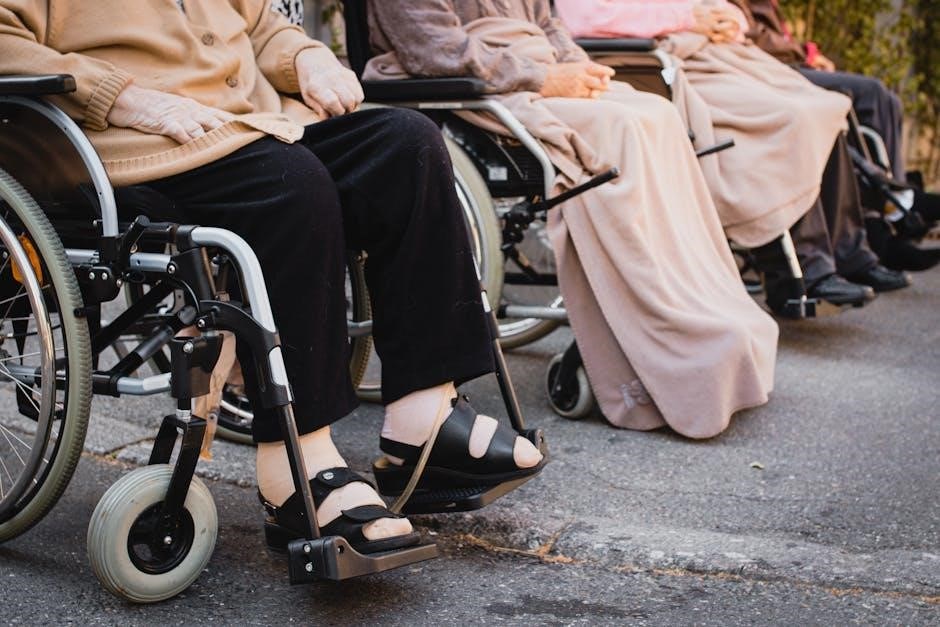
Understanding the Risks
Manual handling poses significant injury risks in aged care, including musculoskeletal disorders; a PDF resource will detail contributing factors and common injury types.
Common Manual Handling Injuries in Aged Care
Manual handling tasks frequently lead to musculoskeletal disorders (MSDs) among aged care workers. These injuries, detailed in relevant PDF guides, commonly affect the back, shoulders, and knees.
Sprains and strains are prevalent due to repetitive movements, awkward postures, and the physical exertion of assisting residents with mobility.
Other injuries include muscle soreness, hernias, and even more serious conditions resulting from prolonged or forceful exertions. The nature of aged care – involving lifting, transferring, and repositioning – inherently increases risk.
A comprehensive PDF resource should outline preventative measures and proper techniques to mitigate these common injuries, emphasizing the importance of ergonomic principles and safe work practices. Early reporting and intervention are also vital.
Factors Contributing to Injury Risk
Several factors elevate injury risk in aged care manual handling, as detailed in comprehensive PDF resources. Resident dependency levels significantly impact workload; greater assistance needed increases strain.
Workplace design, or lack thereof, plays a crucial role – inadequate space or unsuitable equipment exacerbates risks.
Individual worker factors, like insufficient training, poor physical fitness, and pre-existing conditions, also contribute. Repetitive tasks, awkward postures, and forceful exertions, common in daily routines, compound these issues.
A PDF guide should emphasize the importance of risk assessment, identifying and addressing these contributing factors to create a safer working environment and minimize MSDs among caregivers. Linen handling and chemical dispensing also add to the risk.
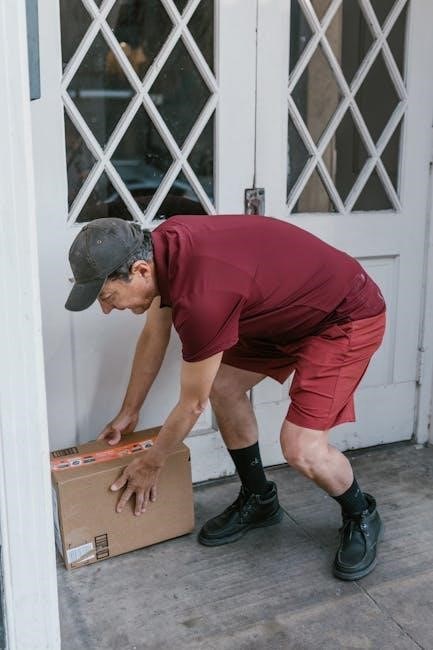
Relevant Australian Standards & Guidelines
PDF resources from the Aged Care Quality and Safety Commission, WorkSafe Victoria, and SafeWork NSW outline crucial standards for safe manual handling practices.
Aged Care Quality and Safety Commission Standards (2024/2025)
The Australian Government’s Aged Care Quality and Safety Commission Standards, effective August 2025, significantly impact manual handling protocols. Standard 2, focusing on the organisation, directly addresses creating a safe environment for both residents and staff.
These standards necessitate robust systems for identifying, assessing, and mitigating risks associated with manual handling tasks. Facilities must demonstrate proactive measures, including appropriate training, equipment provision, and ongoing competency assessment, as detailed in available PDF guidance.
Compliance requires documented evidence of risk management strategies and a commitment to continuous improvement in manual handling safety, ultimately enhancing resident wellbeing and protecting staff from injury. Accessing the full standards PDF is vital for understanding specific requirements.
WorkSafe Victoria Guide to Workplace Design
WorkSafe Victoria’s guide emphasizes designing aged care facilities to minimize manual handling risks. This includes considering the functional capacity of residents and staff when planning layouts. The guide advocates for incorporating features that reduce the need for strenuous movements during resident transfers and daily care tasks.
Key recommendations involve optimizing space, providing appropriate assistive devices, and ensuring easy access to equipment. A well-designed workplace proactively reduces the physical demands on caregivers, lowering injury rates.
Accessing the complete PDF guide provides detailed insights into specific design considerations, promoting safer manual handling practices. It’s a crucial resource for architects, facility managers, and anyone involved in creating or modifying aged care environments.
NSW Safework Guidelines for Hazardous Manual Tasks
SafeWork NSW provides guidelines addressing hazardous manual tasks within aged care, including non-clinical duties. When hazards cannot be eliminated, the guidelines prioritize minimizing risks through substitution – for example, replacing fixed-height tables with adjustable ones.
Isolation of hazards and engineering controls, like automatic dispensing systems for cleaning chemicals, are also recommended. These strategies reduce the physical strain on caregivers. The guidelines acknowledge that seemingly minor tasks, such as linen handling, contribute to cumulative manual handling demands.
The complete PDF document offers detailed strategies and is available on the HCA intranet, ensuring access to the most current version for all staff.
Queensland Residential Aged Care Facility Design Guidelines
Queensland’s guidelines for residential aged care facilities emphasize design considerations that directly impact manual handling risks. These guidelines, often available as a PDF resource, focus on creating environments that support both resident independence and caregiver safety.
A key principle is considering the functional capacity of residents and anticipating their manual handling needs during the design phase. This proactive approach aims to minimize the physical demands placed on staff. Thoughtful layout, appropriate equipment placement, and accessible design features are all crucial.
The guidelines promote designs that reduce the need for excessive lifting, bending, and twisting, ultimately contributing to a safer working environment for aged care professionals.
Guide to the Safe Design of Aged Care Facilities
This guide, often accessible as a PDF document, provides comprehensive recommendations for designing aged care facilities with safety as a priority, particularly concerning manual handling. It stresses the importance of integrating principles of universal design to accommodate diverse resident needs and minimize risks for caregivers.
The document advocates for layouts that optimize workflow, reduce travel distances, and provide adequate space for manual handling tasks. It highlights the benefits of incorporating assistive technologies and adjustable equipment to lessen physical strain.
Furthermore, the guide emphasizes a holistic approach, considering factors like lighting, flooring, and storage to create a safer and more ergonomic environment for both residents and staff.
Residential Aged Care Built Environment Audit Tool
This audit tool, frequently available as a PDF, facilitates a systematic evaluation of a facility’s built environment concerning manual handling risks. It allows for identifying areas needing improvement to enhance safety for both residents and staff.
The tool typically includes checklists assessing factors like space allocation, equipment availability, and the layout’s impact on common tasks – transfers, lifting, and repositioning. It prompts assessment of potential hazards and compliance with relevant standards.
Utilizing this audit helps organizations proactively address manual handling concerns, ensuring a safer workplace and promoting best practices. Regular audits, documented in PDF format, demonstrate commitment to continuous improvement.
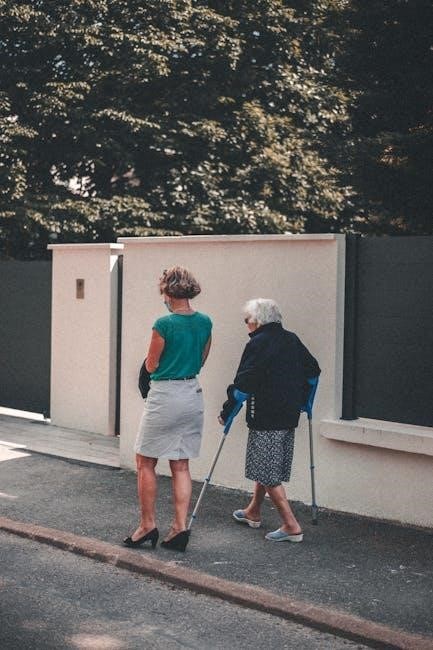
Principles of Safe Manual Handling
Safe manual handling relies on CORE principles – Comfort, Observation, Reach, and Environment – minimizing risks through elimination, substitution, and engineering controls, as detailed in PDF guides.
The CORE Principles: Comfort, Observation, Reach, Environment
CORE principles are foundational to safe manual handling in aged care, detailed within comprehensive PDF resources. Comfort prioritizes the handler’s posture and minimizing strain. Observation involves assessing the resident and the environment for potential hazards before any movement.
Reach emphasizes avoiding excessive reaching or twisting, keeping loads close to the body. Finally, Environment focuses on ensuring adequate space, appropriate lighting, and slip-resistant surfaces. Applying these principles, as outlined in training PDFs, significantly reduces injury risk.

These elements work synergistically, creating a safer workflow for both caregivers and residents, promoting dignity and wellbeing. Consistent application, reinforced through training, is paramount.
Minimizing Risk: Elimination, Substitution, Isolation, Engineering Controls
Detailed in numerous aged care PDF guides, risk minimization follows a hierarchy of controls. Elimination, the most effective, involves removing the hazardous task entirely. When elimination isn’t possible, substitution replaces risky tasks with safer alternatives – like height-adjustable tables instead of bending.
Isolation separates the hazard from the worker, perhaps using transfer aids. Engineering controls involve modifying the workplace, such as installing automatic dispensing systems for chemicals, reducing manual handling.
These strategies, thoroughly explained in PDF training materials, collectively reduce strain and prevent injuries. Prioritizing these controls, as mandated by OHS legislation, is crucial for a safe aged care environment.

Specific Manual Handling Tasks in Aged Care
PDF resources detail tasks like assisting mobility, lifting residents, handling laundry, toileting assistance, and chemical dispensing – all requiring careful technique.
Assisting with Mobility (Transfers)
Transfers represent a significant portion of manual handling tasks in aged care, frequently detailed within PDF training materials. Safe resident transfers – between beds, chairs, or wheelchairs – require meticulous planning and technique. PDF guides emphasize minimizing strain on both caregiver and resident.
Proper body mechanics, utilizing assistive devices like hoists or slide sheets, and clear communication are paramount. Assessments of resident capacity are vital before any transfer attempt. PDF resources often include step-by-step instructions and risk assessment checklists.
Training should cover various transfer types, including pivot transfers, assisted ambulation, and full lifts. Understanding the resident’s individual needs and limitations, as outlined in care plans and reinforced by PDF documentation, is essential for preventing injuries.
Lifting and Repositioning Residents
Lifting and repositioning residents are high-risk manual handling tasks, extensively covered in aged care PDF training resources. These PDF guides stress the importance of minimizing manual effort and maximizing mechanical aids. Direct lifting should be avoided whenever possible, prioritizing the use of equipment like hoists and slide sheets.
Proper techniques, detailed in PDFs, involve maintaining a wide base of support, keeping the back straight, and bending at the knees. Regular repositioning is crucial for preventing pressure injuries, but must be performed safely.
Careful assessment of the resident’s weight, mobility, and any existing conditions is vital, as highlighted in PDF risk assessment forms. Team lifting should be employed for heavier residents, following protocols outlined in workplace PDF manuals.
Handling Linen and Laundry
Handling linen and laundry contributes significantly to daily manual handling demands in aged care, as detailed in numerous PDF resources. These PDF guides emphasize minimizing bending, twisting, and reaching when collecting, sorting, and transporting laundry.
Heavy linen bags pose a substantial risk; PDF training materials advocate for smaller bag sizes and the use of laundry carts to reduce carrying distances. Proper lifting techniques – back straight, knees bent – are repeatedly stressed within these PDF documents.
Workplace PDFs often include checklists for safe laundry handling procedures, covering everything from removing soiled linen to operating washing machines. The cumulative effect of these tasks on the body is highlighted, promoting awareness and preventative measures, as found in comprehensive PDF manuals.
Assisting with Toileting
Assisting with toileting is a frequent and potentially high-risk manual handling task in aged care, thoroughly addressed in available PDF guides. These resources emphasize the importance of assessing a resident’s mobility and providing appropriate support, minimizing strain on both caregiver and resident.
PDF training materials detail techniques for safe transfers to and from toilets, including the use of assistive devices like commodes and transfer belts. Proper body mechanics – keeping the back straight and using leg muscles – are consistently highlighted within these PDF documents.
PDF checklists often cover pre-transfer assessments, environmental safety checks, and post-transfer resident comfort. Minimizing the distance and duration of transfers is a key focus, as detailed in comprehensive PDF manuals designed to reduce injury risk.
Chemical Handling & Dispensing
Chemical handling and dispensing represent a significant manual handling hazard in aged care, extensively covered in PDF safety guidelines. These resources stress minimizing manual handling of cleaning detergents and other chemicals through engineering controls, such as automatic dispensing systems, as recommended by SafeWork NSW PDF documents.
PDF training materials detail proper techniques for lifting and carrying chemical containers, emphasizing the importance of reading Safety Data Sheets (SDS) and using appropriate Personal Protective Equipment (PPE). Safe storage practices, preventing spills, and proper dilution procedures are also key components detailed in these PDF guides.
PDF checklists often include pre-use equipment checks and spill response protocols. Reducing the frequency and weight of chemical handling tasks is a primary goal, as outlined in comprehensive PDF manuals focused on workplace safety.

Equipment and Aids
PDF resources highlight lifting equipment, height-adjustable tables, and assistive devices for residents. These aids minimize strain and promote safe manual handling practices in aged care.
Types of Lifting Equipment Available
PDF guides detail various lifting equipment crucial for safe resident handling. Hoists – including mobile, ceiling-mounted, and stand-assist versions – are frequently utilized, reducing caregiver strain. Transfer belts and sheets aid in repositioning, while slide sheets minimize friction during transfers.
Powered lifts offer significant assistance, particularly for bariatric patients. Manual lifts, though requiring more physical effort, are suitable for certain situations. The selection depends on resident needs, facility layout, and caregiver training. Proper equipment maintenance, as outlined in PDF safety checklists, is paramount. Regular inspections and adherence to manufacturer guidelines ensure optimal performance and prevent accidents. Careful assessment of each resident’s capabilities is vital before utilizing any lifting device.
Height-Adjustable Tables and Work Surfaces
PDF resources emphasize the benefits of height-adjustable tables and work surfaces in minimizing manual handling risks. These surfaces allow caregivers to position themselves at an ergonomically correct height, reducing bending and twisting during tasks like personal care or documentation.
Safework NSW guidelines specifically recommend substituting fixed-height tables with adjustable alternatives. This simple change significantly lowers strain on the back and shoulders. Adjustable surfaces are beneficial in dining areas, treatment rooms, and laundry facilities. Investing in this equipment demonstrates a commitment to worker safety, aligning with Aged Care Quality Standards. Proper training on adjusting and utilizing these surfaces is essential, as detailed in comprehensive PDF training materials.

Assistive Devices for Residents
PDF guides on manual handling in aged care highlight the importance of utilizing assistive devices to promote resident independence and reduce caregiver strain. These devices include mobility aids like walkers, wheelchairs, and transfer belts, minimizing the need for full manual lifts.
Hoists and slide sheets are crucial for safe resident transfers, detailed in training PDFs. Correct device selection, based on resident needs and risk assessment, is paramount. Proper training for staff on the safe operation and maintenance of these devices is non-negotiable. Utilizing these tools not only protects caregivers but also enhances resident dignity and safety, aligning with quality care standards outlined in relevant documentation.

Training and Education
PDF resources emphasize employer responsibility for providing appropriate, theoretical and practical manual handling training to all aged care staff.
Employer Responsibilities for Training
Employers within the aged care sector bear a significant legal and ethical duty to ensure all staff receive comprehensive manual handling training. This obligation is often detailed within PDF-based workplace health and safety guidelines. Training must be appropriate to the tasks performed, covering safe techniques for assisting with mobility, lifting, and handling objects like linen.
Employers are responsible for providing initial training, as well as ongoing competency assessment to maintain skills and knowledge. Access to updated PDF resources and refresher courses is vital. Documentation of training records is essential for demonstrating compliance with relevant Occupational Health and Safety (OHS) Acts, which vary by Australian state. Proactive training minimizes injury risk and fosters a safer working environment for caregivers.
Content of Manual Handling Training Programs
Effective manual handling training, often outlined in detailed PDF guides, must cover a range of critical areas. Core components include understanding biomechanics, risk assessment techniques, and the application of the CORE principles – Comfort, Observation, Reach, and Environment.
Programs should demonstrate safe techniques for common aged care tasks like resident transfers, repositioning, and handling laundry. Practical sessions are essential, allowing staff to practice skills under supervision. Training must also address the proper use of available equipment and aids, as well as reporting procedures for incidents. PDF resources should reinforce key concepts and provide a readily accessible reference point for staff post-training.
Ongoing Competency Assessment
Maintaining competency in manual handling requires regular assessment, often documented within comprehensive PDF training records. Initial training isn’t sufficient; ongoing evaluation ensures skills remain current and safe practices are consistently applied. Assessments should include practical demonstrations of techniques, observation of real-world task performance, and potentially, knowledge-based quizzes referencing PDF materials.
Refresher courses, ideally annually or bi-annually, are vital. These sessions reinforce best practices and address any emerging risks or changes in equipment. Documentation of all assessments, including dates and outcomes, is crucial for legal compliance and demonstrates a commitment to staff safety. PDF checklists can aid in standardized evaluation.

Legal Considerations & OHS Acts
PDF resources detail state-specific OHS legislation governing aged care. Reporting incidents and maintaining thorough documentation are legal requirements for safe manual handling.
State-Specific Occupational Health and Safety Legislation
Australia’s occupational health and safety (OHS) landscape is fragmented, with each state and territory enacting its own legislation. This means aged care providers must navigate a complex web of regulations concerning manual handling. PDF guides often reference these differing Acts, highlighting specific duties of care for employers and employees.
For example, WorkSafe Victoria has specific guidelines, while SafeWork NSW provides detailed information on hazardous manual tasks. Queensland also has dedicated residential aged care facility design guidelines. Understanding these state-specific requirements is paramount for compliance. These laws outline responsibilities for risk assessment, control measures, training, and incident reporting related to manual handling tasks, ensuring worker safety and minimizing potential injuries within aged care settings.
Reporting and Incident Management
Robust reporting and incident management systems are vital in aged care, particularly concerning manual handling injuries. Detailed documentation, often outlined in facility PDF protocols, is crucial for identifying trends and implementing preventative measures. All incidents – near misses, injuries, or hazardous situations – must be reported promptly according to state OHS legislation.
Investigations should determine root causes, not just immediate factors. This informs corrective actions, like revised training or equipment adjustments. Accurate record-keeping supports continuous improvement and demonstrates a commitment to worker safety. Furthermore, reporting contributes to national data collection, aiding in the development of best practices and targeted interventions within the aged care sector.
Leave a Reply
You must be logged in to post a comment.