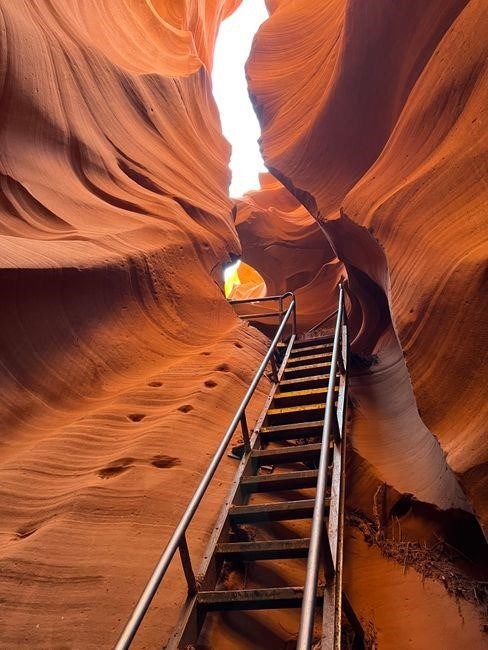
Antelope Canyon‚ a slot canyon near Page‚ Arizona‚ captivates with sandstone walls and shafts of light. Its upper and lower sections reveal patterns that shift with the sun. Though tours are common‚ visitors may seek a self‑guided adventure‚ mindful of access rules.
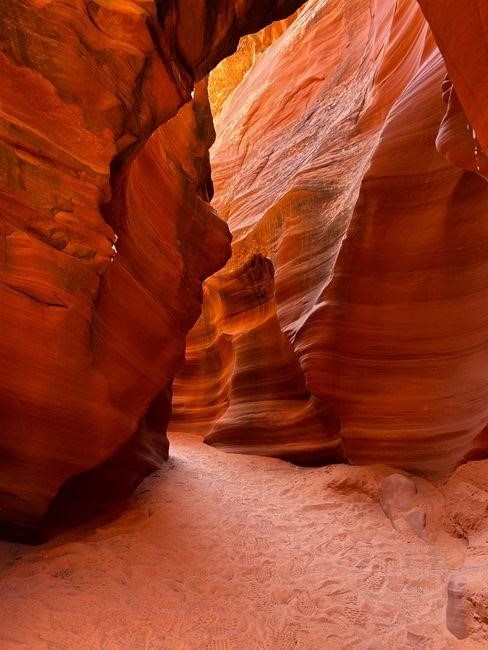
Planning a Self‑Guided Visit
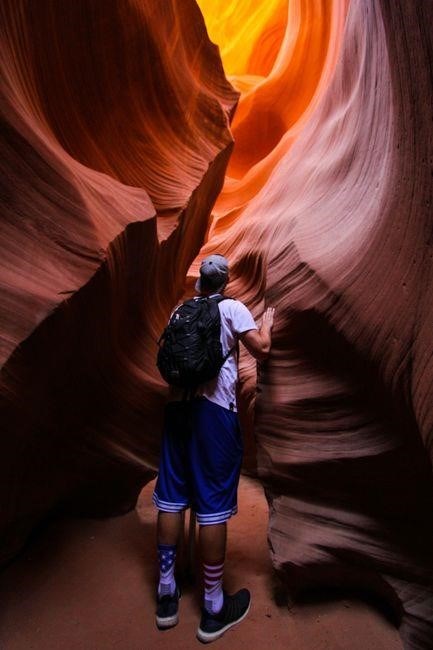
Plan a self‑guided Antelope Canyon trip by checking the official Navajo Nation website for permits‚ noting that only guided tours are allowed in the canyon itself. Instead‚ explore nearby scenic overlooks and the surrounding area‚ respecting all regulations. Enjoy!!
Choosing Between Upper and Lower Canyon
Choosing between Upper and Lower Antelope Canyon is a decision that hinges on lighting‚ accessibility‚ and the type of experience you seek. Upper Canyon‚ known for its dramatic light beams that pierce the narrow passages‚ offers a more intimate‚ almost theatrical feel. The canyon’s walls are narrower‚ and the shafts of sunlight create a surreal‚ almost cathedral‑like ambiance that has made it a favorite for photographers and couples alike. However‚ the tightness of the passage means that visitors must be prepared for a somewhat strenuous walk‚ and the canyon’s depth can make the experience feel claustrophobic for some. Lower Canyon‚ on the other hand‚ is wider and more forgiving for those who prefer a less strenuous trek. Its expansive‚ gently sloping walls allow for a more relaxed stroll‚ and the light here is softer‚ diffused by the canyon’s broader openings. While it may lack the dramatic beams of Upper Canyon‚ Lower Canyon offers a more panoramic view of the intricate rock formations and a chance to appreciate the canyon’s geological history in a broader context. For those who are physically fit and eager for a challenging‚ high‑contrast photo opportunity‚ Upper Canyon is the clear choice. For travelers who want a leisurely walk with ample space to breathe and observe‚ Lower Canyon provides a more comfortable‚ scenic experience. Ultimately‚ the best choice depends on your personal preferences‚ physical condition‚ and the type of memories you wish to create during your Antelope Canyon self‑guided adventure. Because access to the canyon itself requires a licensed guide‚ many visitors opt to explore the surrounding viewpoints or the nearby Horseshoe Bend trail instead. Timing is crucial; the best light for Upper Canyon arrives between 10 a.m. and noon‚ while Lower Canyon’s glow peaks around 2 p.m. When planning‚ consider the weather forecast‚ as heavy rain can close the canyon for safety. Always check the Navajo Nation’s official website for up‑to‑date permit information and trail conditions before heading out.
Optimal Timing for Light Conditions
Light is the lifeblood of Antelope Canyon. For a self‑guided visit‚ timing around the canyon’s illumination is essential. Upper Canyon’s shafts of golden light shine best between 10 a.m. and noon‚ when the sun pierces the narrow passages. Early morning offers softer light that highlights subtle color gradients‚ while late afternoon adds long shadows. Lower Canyon‚ with broader openings‚ reaches its glow around 2 p.m. to 3 p.m.‚ flooding the walls without glare. Seasonal shifts matter: spring and early summer bring vivid hues‚ while late summer and fall give a muted tone. Planning your trip to these peak windows enhances visual appeal and safer navigation. Check local weather and Navajo Nation updates before heading out‚ as clouds can alter illumination. Aligning your itinerary with natural light cycles lets you capture Antelope Canyon’s beauty safely. The canyon’s geometry creates a natural light tunnel that changes dramatically over the day. In the morning‚ the light is soft and warm‚ ideal for capturing the canyon’s gentle curves. As the sun climbs‚ the beams become sharper‚ producing striking contrasts that highlight the rock’s textures. By mid‑afternoon‚ the light shifts to a cooler tone‚ revealing deeper shadows that add depth to the scene. For photographers‚ the best time to capture the iconic light shafts is between 10 a.m. and 12 p.m. for Upper Canyon‚ while Lower Canyon’s glow peaks around 2 p.m. to 3 p.m. These windows cut missteps today!
Antelope Canyon’s climate shapes every self‑guided trek. The region experiences hot‚ dry summers and cool‚ wet winters. Peak temperatures in July and August can exceed 100°F (38°C)‚ making early‑morning or late‑afternoon visits preferable. Spring (March–May) offers moderate heat and blooming desert flora‚ while autumn (September–November) delivers crisp air and vibrant foliage. Rainfall is rare‚ but monsoon storms in late summer can create flash floods; always check local advisories before heading out. Humidity remains low year‑round‚ so bring water‚ sunscreen‚ and a wide‑brim hat. In winter‚ temperatures may drop to 30°F (−1°C) at night; layering is essential. Dust levels rise during dry periods‚ so a mask or face covering helps. The canyon’s sandstone is sensitive to moisture; after heavy rains‚ trails may be muddy or closed. Finally‚ the Navajo Nation’s seasonal closures—typically in late summer for maintenance—can affect access. Plan your route with current weather data and park notices to ensure a safe‚ enjoyable experience. Additionally‚ the canyon’s microclimate can cause sudden temperature shifts; a light jacket or windbreaker is advisable even on sunny days‚ and a reusable water bottle helps maintain hydration without adding litter to the fragile desert ecosystem. Remember to respect guidelines rules.
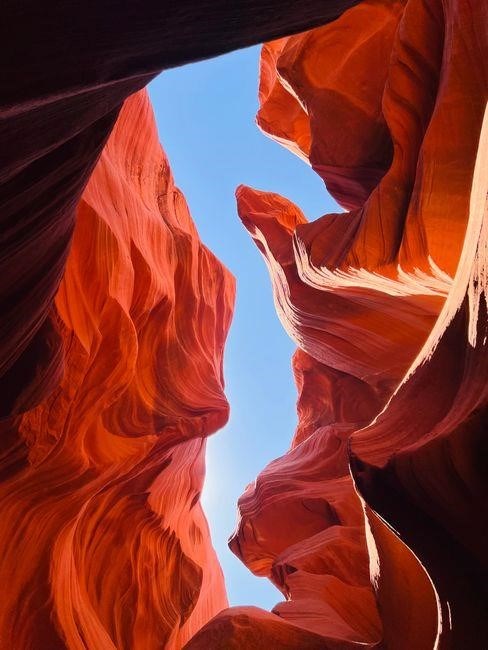
Access and Parking
ParkingforAntelope Canyon sits near the Lower Canyon entrance on the Navajo Nation. Fees are $5 per vehicle‚ payable at the ranger station. The Upper Canyon requires a guided tour; must use the Lower entrance‚ following posted signs. Limited
Parking Locations and Fees
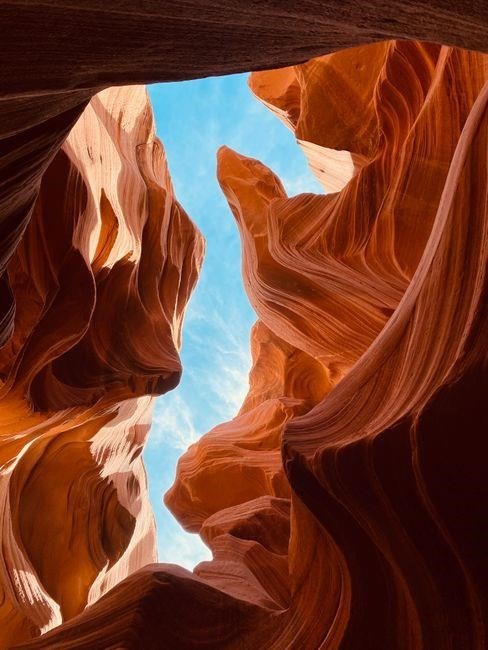
Parking for Antelope Canyon is located at the Lower Canyon entrance on the Navajo Nation. The parking lot sits adjacent to the ranger station‚ and a $5 fee per vehicle applies. Payment is accepted in cash‚ credit‚ or debit at the ticket window. The lot is limited in size; during peak season it fills quickly‚ so arriving early is advisable. For visitors who plan a self‑guided walk‚ the Lower Canyon lot is the only legal entry point‚ as the Upper Canyon is closed to independent access. The parking area is marked with clear signage indicating the fee‚ hours of operation‚ and the requirement to stay within the lot boundaries. If you arrive after the lot is full‚ you may be directed to a secondary lot near the visitor center‚ where a higher fee of $7 applies. All fees are non‑refundable and cover maintenance‚ security‚ and ranger services. The parking lot is equipped with restrooms‚ a small kiosk‚ and a shaded area for waiting. It is recommended to bring a small bag of water and snacks‚ as the lot has no vending machines. The lot’s proximity to the trailhead allows for a quick transition to the canyon’s entrance‚ minimizing time spent in traffic and maximizing time exploring the slot canyon’s unique light patterns. Remember that the parking area is a shared all space; keep noise low‚ respect wildlife‚ and follow posted regulations to preserve the canyon’s environment for all explorers
Navigating the Trailheads
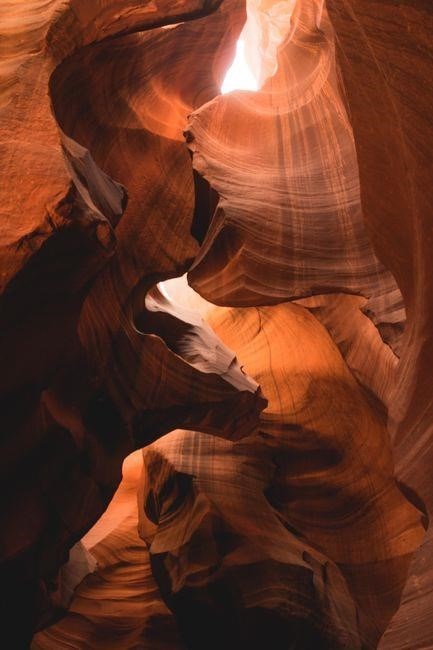
The Lower Canyon trailhead is the sole legal access point for self‑guided visit. From the parking lot‚ a short‚ well‑marked path leads to a 0.5‑mile walk. The trail is a series of steep‚ narrow steps and a few short staircases‚ requiring careful footing. Signage at the gate explains that the canyon is on Navajo land and that visitors must respect the cultural significance of the area. The path is lit by solar‑powered lanterns at night‚ but daylight is preferred for safety. The trailhead features a small information kiosk with maps‚ a ranger contact number‚ and a reminder that the canyon is closed to independent access during certain periods for cultural events. As you progress‚ the canyon’s walls narrow‚ and the light beams become more dramatic. Keep to the designated path; the canyon’s fragile sandstone can be easily damaged by off‑trail movement. The trail ends at a small clearing where the canyon opens into a wider chamber‚ offering a panoramic view of the swirling patterns. From there‚ you can retrace your steps back to the parking lot. Always carry a flashlight‚ a sturdy pair of shoes‚ and a rain jacket in case of sudden weather changes. The trail is rated moderate‚ with a total distance of about 1.2 miles round‑trip. Follow the posted signs‚ stay hydrated‚ and respect natural and cultural environment to ensure a safe and memorable experience.
Safety Guidelines
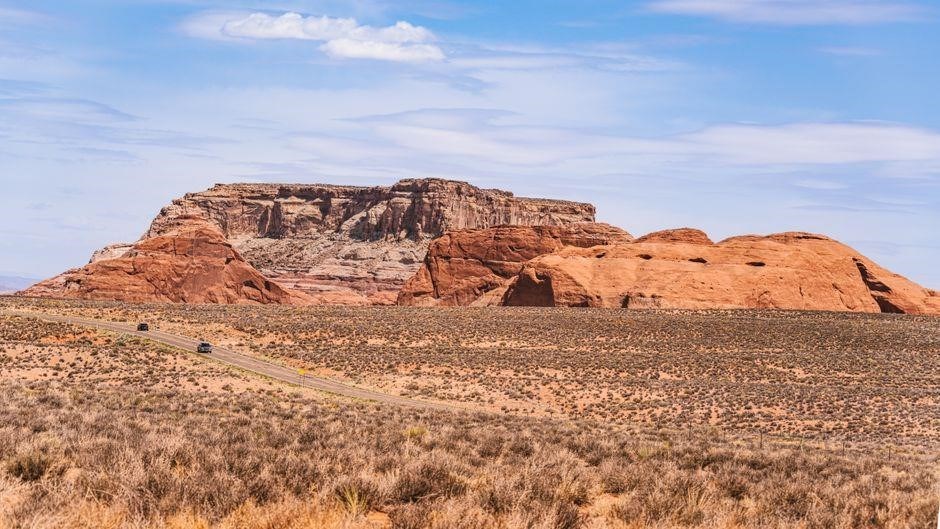
Wear sturdy shoes‚ carry water‚ and keep a flashlight. Avoid stepping off the path to protect fragile sandstone. Stay alert for flash floods; check weather before entering. Respect Navajo cultural rules‚ and never touch rock formations. Stay!?
Physical Demands and Fit Requirements
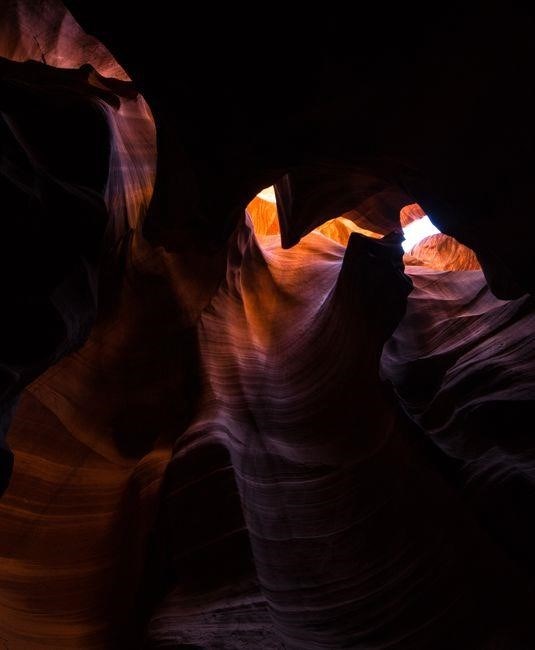
Antelope Canyon’s narrow passageways and uneven surfaces demand a moderate level of fitness. Visitors should be able to walk 1–2 miles on uneven‚ rocky terrain‚ often at a brisk pace to keep up with the guided schedule. The canyon’s upper section features a series of steep‚ narrow steps and a 30‑foot drop at the entrance‚ requiring good balance and core strength. A minimum of 30 minutes of steady walking or light hiking experience is recommended before attempting the canyon. Those with joint issues‚ recent injuries‚ or limited mobility may find the route challenging. It is advisable to wear supportive hiking boots with good traction‚ carry a small backpack with water‚ and use a walking stick if needed. Hydration is critical; the desert heat can quickly lead to dehydration‚ especially during peak summer months. A personal fitness assessment can help determine if the canyon’s demands align with your current health status. Additionally‚ visitors should be mindful of the canyon’s narrow passages‚ which can restrict movement for taller individuals. Planning for short breaks and ensuring adequate rest before the excursion can mitigate fatigue and reduce the risk of injury. Overall‚ a to hi‚ level of physical fitness‚ combined with proper gear and hydration‚ will enable a safe and enjoyable self‑guided experience.
Emergency Procedures and Contact Numbers
In case of an emergency while exploring Antelope Canyon‚ the first step is to remain calm and assess the situation. If you are injured or stranded‚ use a mobile phone to call 911; the dispatcher will guide you to the nearest ranger station or medical facility. The canyon’s official ranger station is located at the Upper Canyon entrance‚ and the phone number is (928) 555‑1234. For non‑life‑threatening incidents‚ you can also contact the Page Visitor Center at (928) 555‑5678. The National Park Service maintains a 24‑hour emergency line at 1‑800‑XXX‑XXXX for urgent situations. Keep a small first‑aid kit in your backpack‚ including bandages‚ antiseptic wipes‚ and a whistle. If you are hiking alone‚ let someone outside the canyon know your planned route and expected return time. In the event of a sudden storm or flash flood‚ seek higher ground immediately and avoid low‑lying areas. Remember to carry a fully charged cell phone and a portable charger‚ as the canyon’s remote location may result in weak signal reception. Finally‚ familiarize yourself with the canyon’s evacuation routes and emergency exits before you begin your trek. By staying prepared and following these protocols‚ you can reduce risks and ensure a safe self‑guided experience. Carry a whistle to signal for help. Always stay hydrated.
Photography Tips
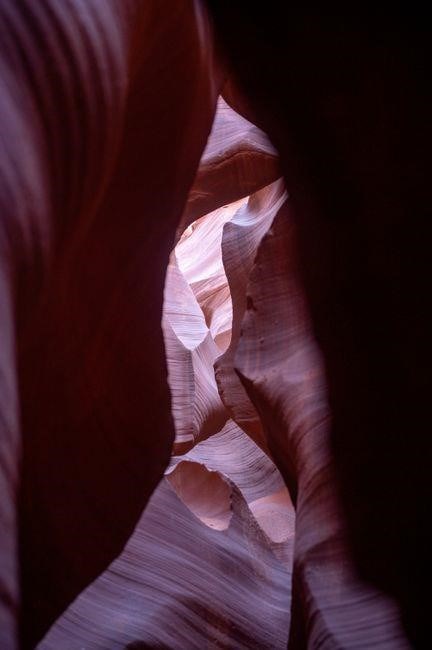
Use a wide‑angle lens to capture sweeping curves‚ switch to telephoto for textures. Shoot during golden hours when light shafts penetrate walls‚ bracket exposures to avoid blown highlights. Keep tripod steady‚ respect fragile paths. care !!
Equipment Recommendations
For a self‑guided visit to Antelope Canyon‚ pack a camera body with a full‑frame sensor for dynamic range‚ a 24‑70mm zoom for versatility‚ and a 70‑200mm telephoto for distant textures. A sturdy tripod or monopod is essential to stabilize shots in low light and to capture the canyon’s rhythmic light shafts. A polarizing filter helps reduce glare on the sandstone‚ while a neutral‑density filter allows longer exposures during bright periods. Bring spare batteries and a high‑capacity power bank‚ as the canyon’s remote location limits charging options. High‑speed SDXC cards (UHS‑III) ensure smooth burst shooting and ample storage for RAW files. Protective gear such as a weather‑sealed camera bag‚ lens cleaning kit‚ and a microfiber cloth keeps equipment safe from dust and moisture. For safety‚ carry a headlamp or flashlight‚ a first‑aid kit‚ and a durable pair of hiking boots with good ankle support. Finally‚ a lightweight‚ breathable jacket and a reusable water bottle help maintain comfort during the walk.
Also consider a compact lens hood to prevent flare‚ a spare memory card reader for quick backups‚ and a lightweight camera strap for hands‑free shooting. A small‚ insulated cooler can keep water cold during long walks.
A waterproof shields the gear from rain.
Best Angles and Timing
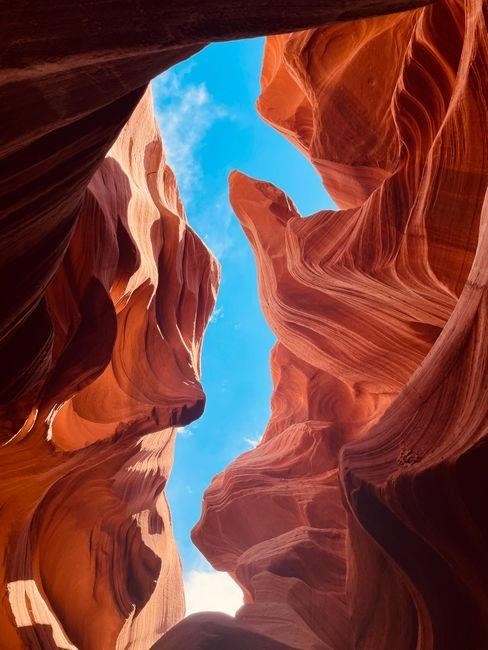
For a self‑guided Antelope Canyon adventure‚ the most striking compositions arise when the sun is low‚ typically between 9 AM and 11 AM for the upper canyon and 2 PM to 4 PM for the lower section. Position yourself near the canyon’s entrance to capture the dramatic shafts of light that slice through the sandstone‚ then step back to frame the undulating walls. A wide‑angle lens (14‑24mm) reveals the canyon’s depth‚ while a telephoto (70‑200mm) isolates the intricate textures and the play of shadows. When the sun is high‚ use a polarizing filter to reduce glare and enhance color saturation. For night‑time shots‚ bring a tripod and use long exposures to create a soft‚ ethereal glow. Always scout the path ahead of time‚ noting where the light falls‚ and adjust your stance to avoid harsh shadows. Remember to respect the canyon’s fragile environment by staying on designated trails and keeping a safe distance from the walls. By timing your visit with the sun’s movement and choosing angles that emphasize the canyon’s natural geometry‚ you’ll capture images that echo the canyon’s timeless beauty.
Carry a lightweight tripod for stability‚ and use a shutter release to avoid camera shake. Use a wide‑angle lens to capture sweeping curves‚ and a telephoto to isolate fine sand patterns. Check the forecast now wear sun protection.
Cultural and Environmental Respect
Antelope Canyon lies on Navajo land; visitors should honor tribal customs keep noise low and avoid touching rock. Follow Leave No Trace: pack out trash stay on paths respect wildlife support local guides. Keep a respectful distance from wildlife and never leave litter!
Navajo Cultural Significance
Antelope Canyon‚ known to the Navajo as “Túúhí” or “The Canyon of the Antelope‚” holds deep spiritual meaning. The site is considered a sacred place where the earth’s breath and the spirits of ancestors converge. Navajo tradition teaches that the canyon’s shifting light patterns are a manifestation of the living world’s ever‑changing energy‚ and that visitors should approach with humility and respect. The canyon’s narrow passages are believed to be pathways for the spirits‚ and the smooth‚ flowing sandstone walls are seen as a reflection of the water spirits that once carved the landscape. Because of this reverence‚ the Navajo Nation has strict guidelines for visitors: no photography without permission‚ no touching of the rock‚ and no removal of any natural or cultural artifacts. Visitors are encouraged to learn about the local stories and legends‚ many of which speak of the canyon’s role as a place of healing and renewal. By honoring these traditions‚ travelers not only protect the canyon’s integrity but also participate in a living cultural heritage that has been passed down through generations. The Navajo’s stewardship of Antelope Canyon serves as a model for responsible tourism‚ ensuring that the canyon remains a place of wonder for both the eyes and the soul. Visitors may also hear elders share canyon lore and myths!?.
Conservation Practices and Leave No Trace
Antelope Canyon’s fragile sandstone walls and delicate ecosystems require careful stewardship. Visitors should follow strict Leave‑No‑Trace principles: pack out all trash‚ avoid stepping on vegetation‚ and stay on designated paths. The canyon’s narrow passages are prone to erosion; even a single footstep can widen cracks. Use the “no‑touch” rule for all rock surfaces‚ as oils from skin can damage the stone’s natural patina. Bring reusable water bottles and refill at the designated station to reduce plastic waste. The Navajo Nation’s guidelines prohibit the use of flash photography‚and which can disturb wildlife and alter the canyon’s micro‑climate. Respect the cultural significance by keeping low and refraining from speaking loudly or making sudden movements. When photographing‚ use a tripod to minimize the need for multiple takes‚ thereby reducing the chance of accidental damage. Finally‚ if you notice any damage or erosion‚ report it to the ranger station immediately. By adhering to these practices‚ you help preserve Antelope Canyon’s beauty for future generations while honoring its cultural heritage. Avoid fire or heat sources inside the canyon; the dry air is flammable. Keep a safe distance from the canyon’s edge to prevent falls‚ and inform a companion of your itinerary. By practicing these mindful habits‚ you contribute to the canyon’s ecological balance and cultural integrity.
Leave a Reply
You must be logged in to post a comment.